


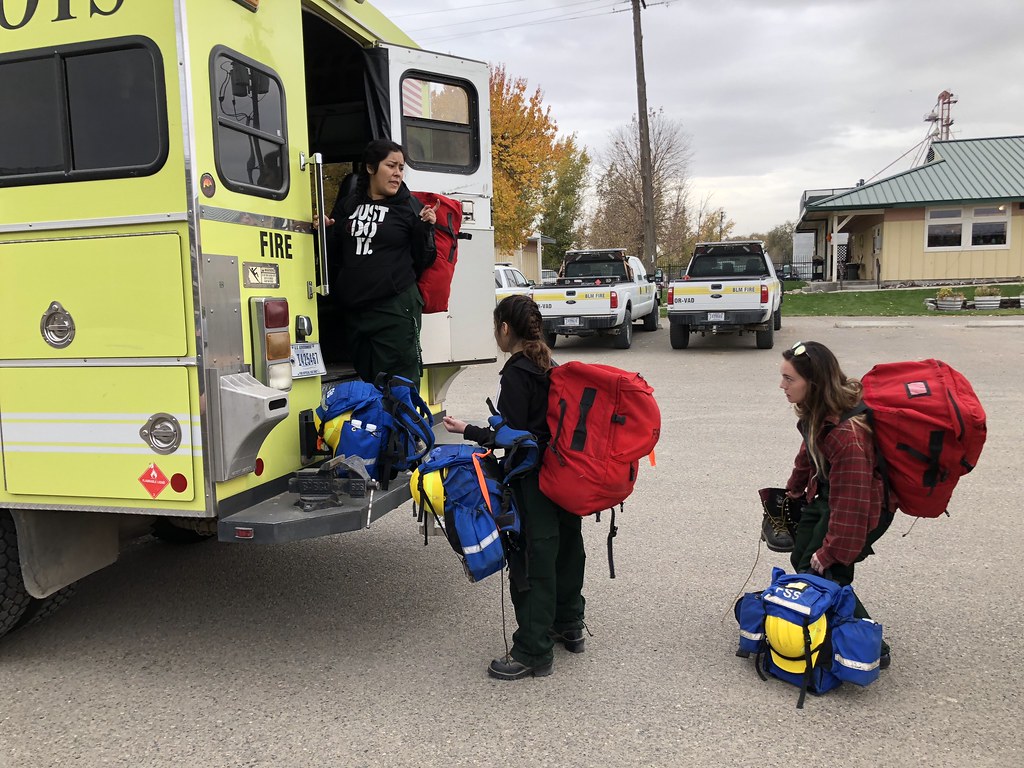
Drone jobs for women are becoming increasingly available, thanks to initiatives like the Namo Drone Didi scheme that focuses on empowering women in agriculture.
Overview of the Namo Drone Didi scheme
The Namo Drone Didi scheme is a groundbreaking initiative aimed at providing drone jobs for women in the agricultural sector. Launched by the government, this program seeks to empower women by equipping them with the skills necessary to operate drones, thus enabling them to participate actively in modern farming practices.
Under this scheme, women are trained to use drones for various agricultural tasks, including:
- Crop monitoring: Utilizing drones to assess crop health and identify areas needing attention.
- Spraying pesticides: Efficiently applying fertilizers and pesticides over large areas to enhance productivity.
- Soil analysis: Collecting data on soil conditions to assist farmers in making informed decisions.
This initiative not only provides women with valuable skills and employment opportunities but also aims to bridge the gender gap in technology-driven sectors. By receiving hands-on training and certification, participants can gain a competitive edge in the job market, ensuring sustainable livelihoods for themselves and their families.
The Namo Drone Didi scheme represents a significant step towards empowering women in agriculture, showcasing how drone technology can transform traditional farming methods. As more women take on these roles, the agricultural landscape is set to evolve, demonstrating the vital contributions that women can make through drone jobs in this rapidly advancing field.
How drone technology is transforming agriculture
The agricultural sector is witnessing a significant transformation through the adoption of drone technology, creating new avenues for employment, particularly for women. The integration of drones into farming practices has revolutionized traditional methods, enhancing productivity and efficiency.
With the rise of drone jobs for women, agricultural tasks such as crop monitoring, irrigation management, and pesticide application have become more accessible. Drones provide farmers with real-time data, allowing for precise decision-making and resource allocation.
Several key benefits highlight how drone technology is changing the landscape of agriculture:
- Increased Efficiency: Drones can cover large areas in a fraction of the time it would take traditional methods, allowing farmers to focus on other critical tasks.
- Cost-Effectiveness: By optimizing resource usage, drones help reduce costs associated with labor and materials, making farming more sustainable.
- Data-Driven Insights: High-resolution aerial imagery and data analytics support better crop management and yield predictions.
- Empowerment of Women: Initiatives like the Namo Drone Didi scheme encourage women to enter the tech-driven agricultural field, fostering gender equality.
As the demand for skilled drone operators continues to grow, women are increasingly finding rewarding careers in this innovative sector. This shift not only supports individual empowerment but also contributes to the overall advancement of the agricultural industry.
Drone jobs for women: A new frontier
The advent of the Namo Drone Didi scheme has opened up a plethora of opportunities in the field of agriculture, particularly for women seeking to enter the technology-driven job market. This initiative not only enhances agricultural productivity but also empowers women by providing them with essential skills in drone operation and maintenance.
As the demand for precision farming increases, so does the need for skilled professionals who can operate drones effectively. Women are increasingly stepping into these roles, breaking traditional barriers and contributing significantly to the agricultural sector. The scheme aims to train and equip women with the necessary knowledge to use drones for various agricultural tasks, such as crop monitoring, pesticide spraying, and soil analysis.
The benefits of drone jobs for women extend beyond personal empowerment. By involving women in drone technology, the agricultural workforce becomes more diverse, leading to innovative solutions and improved efficiency in farming practices. Moreover, the flexibility of drone operations allows women to balance work and family responsibilities more effectively.
With the support of the Namo Drone Didi scheme, women are not only gaining employment but are also becoming leaders in a rapidly evolving field. This new frontier in agriculture highlights the potential for women to thrive in drone jobs, making significant contributions to both their communities and the economy.
The impact of women in agricultural innovation
The integration of women into agricultural innovation through drone technology has proven to be a transformative force in the industry. As the demand for efficient farming practices grows, the need for skilled individuals who can operate advanced drone systems becomes increasingly critical. Women are stepping up to fill this gap, showcasing their capabilities in a field traditionally dominated by men.
Through initiatives such as the Namo Drone Didi scheme, women are not only gaining access to drone jobs for women but are also becoming pivotal players in enhancing agricultural productivity. Their involvement leads to more diverse perspectives and innovative solutions tailored to the unique challenges faced by the agricultural sector.
Moreover, the impact of women in this sphere extends beyond just operational roles. They are also becoming leaders and advocates for sustainable farming practices, using drones to monitor crop health, optimize resource use, and improve yields. This shift is significant as it brings about a more inclusive approach to agriculture, which is essential for addressing food security in a changing climate.
Ultimately, as more women embrace roles in drone technology, the agricultural landscape is being redefined. Their contributions not only enhance operational efficiency but also inspire the next generation of female agricultural professionals, ensuring that the future of farming is inclusive and innovative.
Success stories from the Namo Drone Didi initiative
The Namo Drone Didi initiative has paved the way for numerous success stories, showcasing the remarkable impact of women in the drone industry. Through this innovative program, women have not only embraced technology but have also become key players in agriculture, transforming traditional practices into modern, efficient operations.
One inspiring story comes from Priya, a participant in the initiative who has utilized drones to monitor crop health on her family farm. With her newfound skills, she efficiently identifies pest infestations and nutrient deficiencies, leading to better yields and reduced chemical use. Priya’s success has motivated other women in her community to explore drone jobs for women, creating a supportive network of female drone pilots.
Another impactful example is Aditi, who has taken her drone expertise to the next level by offering services to neighboring farms. Her business, which includes aerial spraying and crop mapping, has not only increased her income but also empowered other women to join her in this lucrative field. Aditi frequently conducts workshops, sharing her knowledge and encouraging more women to pursue careers in drone technology.
These stories highlight the potential of the Namo Drone Didi initiative to revolutionize the agricultural landscape. By opening doors to drone jobs for women, the program fosters innovation, encourages community collaboration, and ultimately transforms lives.
Future prospects for drone employment in farming
The future of drone employment in farming appears promising, particularly for women seeking opportunities in a traditionally male-dominated field. As the agricultural sector increasingly embraces technology, the demand for skilled drone operators is expected to rise significantly. This trend aligns perfectly with the aims of initiatives like the Namo Drone Didi scheme, which empowers women to take on roles within this evolving industry.
Several factors contribute to the optimistic outlook for drone jobs for women in agriculture:
- Technological Advancements: As drone technology continues to evolve, the applications in agriculture will expand, creating new job roles and responsibilities. Farmers will require trained personnel to operate drones for tasks such as crop monitoring, precision farming, and aerial mapping.
- Increased Awareness: Growing awareness of the contributions women can make in agricultural technology encourages more women to pursue careers in this field. Programs and workshops focused on training women in drone operation are gaining traction.
- Supportive Policies: Government initiatives aimed at promoting gender equality in the workforce are paving the way for women to access drone jobs. Policies that prioritize women’s participation in agriculture are crucial for fostering innovation.
Ultimately, the combination of technological growth, increased awareness, and supportive policies creates a fertile ground for women to flourish in drone jobs within the agricultural sector.
As the agricultural sector increasingly embraces technology, drone jobs for women are becoming more prevalent and accessible. These roles not only empower women in the workforce but also contribute to innovative farming practices.
By BLM Oregon & Washington via Openverse
Sources
Related stories
Trader Joe’s Vegan Favorite Discontinued: What’s Next? · Is the Functional Pouch Brand the Best Nicotine-Free Option? · Natural farming: Proven method doubles turmeric yield in Gujarat