

The live seafood supply chain is being strengthened by KLC Seafood’s new aquaculture cooperative. This initiative aims to improve quality and efficiency in delivering fresh seafood.
What is the Live Seafood Supply Chain?
The live seafood supply chain refers to the system through which seafood is harvested, processed, and delivered to consumers while maintaining its freshness and quality. This intricate network involves several stages, including:
- Aquaculture: The farming of aquatic organisms, such as fish and shellfish, under controlled conditions.
- Harvesting: The careful collection of live seafood to ensure minimal stress and spoilage.
- Transportation: The movement of live seafood to markets or restaurants, requiring specialized equipment to maintain optimal conditions.
- Distribution: The final delivery to consumers, ensuring that seafood reaches them in the best possible condition.
As seen in initiatives like Vietnam’s KLC Seafood cooperative, strengthening the live seafood supply chain is crucial for ensuring product safety and consumer trust.
KLC Seafood’s New Initiative Explained
KLC Seafood has recently unveiled a groundbreaking initiative aimed at enhancing the live seafood supply chain in Vietnam. This new aquaculture cooperative will focus on promoting sustainable practices among local farmers, ensuring that the seafood supplied is not only fresh but also responsibly sourced.
By collaborating with these farmers, KLC Seafood aims to create a more transparent and efficient supply chain. The initiative will provide training and resources to improve farming methods, which will ultimately benefit both producers and consumers.
Key features of the initiative include:
- Training Programs: Focused on sustainable aquaculture practices.
- Quality Control: Regular assessments to ensure product safety.
- Direct Sourcing: Reducing intermediaries to enhance freshness.
This move is seen as a significant step towards ensuring the safety and reliability of the live seafood supply chain for consumers.
Benefits of Strengthening the Supply Chain
Strengthening the live seafood supply chain offers numerous benefits for both consumers and producers. First, it enhances product freshness, ensuring that seafood reaches customers in optimal condition, which is crucial for taste and quality. Second, a robust supply chain can improve traceability, allowing consumers to verify the origin of their seafood. This transparency builds trust and encourages responsible sourcing practices.
Additionally, a well-structured supply chain can reduce waste and spoilage, ultimately lowering costs for both suppliers and consumers. By fostering local aquaculture initiatives, like those launched by KLC Seafood, communities can benefit economically while also promoting sustainable practices. Lastly, strengthening the live seafood supply chain can lead to better regulatory compliance, ensuring that health and safety standards are consistently met, thereby increasing consumer confidence in purchasing live seafood products.
Challenges in the Seafood Industry
The seafood industry faces numerous challenges that impact the live seafood supply chain. One of the most pressing issues is the quality control of products during transportation. Ensuring that seafood remains alive and healthy from ocean to table is vital for safety and freshness.
Additionally, environmental factors such as climate change and pollution pose threats to aquaculture practices. These factors can lead to disease outbreaks among marine species, affecting supply and consumer trust.
Furthermore, regulatory compliance is a significant concern. Seafood suppliers must navigate complex regulations to ensure their products meet safety standards, which can complicate the logistics of the live seafood supply chain.
Finally, the industry must also address consumer awareness regarding sustainability and ethical sourcing, as these factors increasingly influence purchasing decisions.
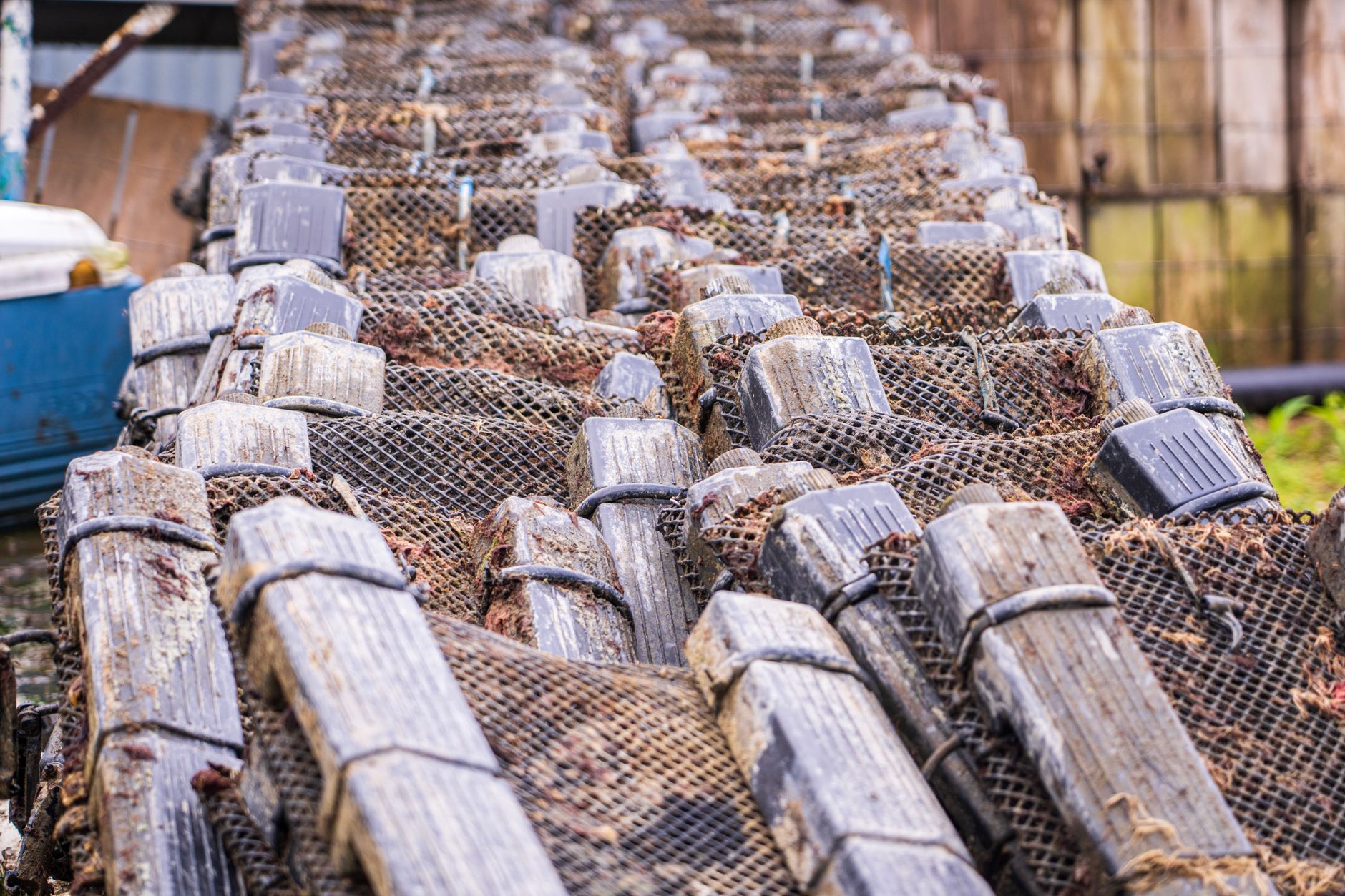
Photo by Mark Stebnicki on Pexels