


cocoa farming in Kenya is becoming a significant agricultural opportunity. With the launch by Ruto, many are eager to explore the possibilities this crop presents.
What is Cocoa Farming?
Cocoa farming is the cultivation of cocoa trees for the production of cocoa beans, which are used to make chocolate and other products. In recent years, cocoa farming in Kenya has gained attention as a viable agricultural investment opportunity. The process involves several stages, including:
- Selection of suitable land and climate for cocoa trees.
- Planting young cocoa seedlings, which take several years to mature.
- Regular maintenance, including pruning and pest control.
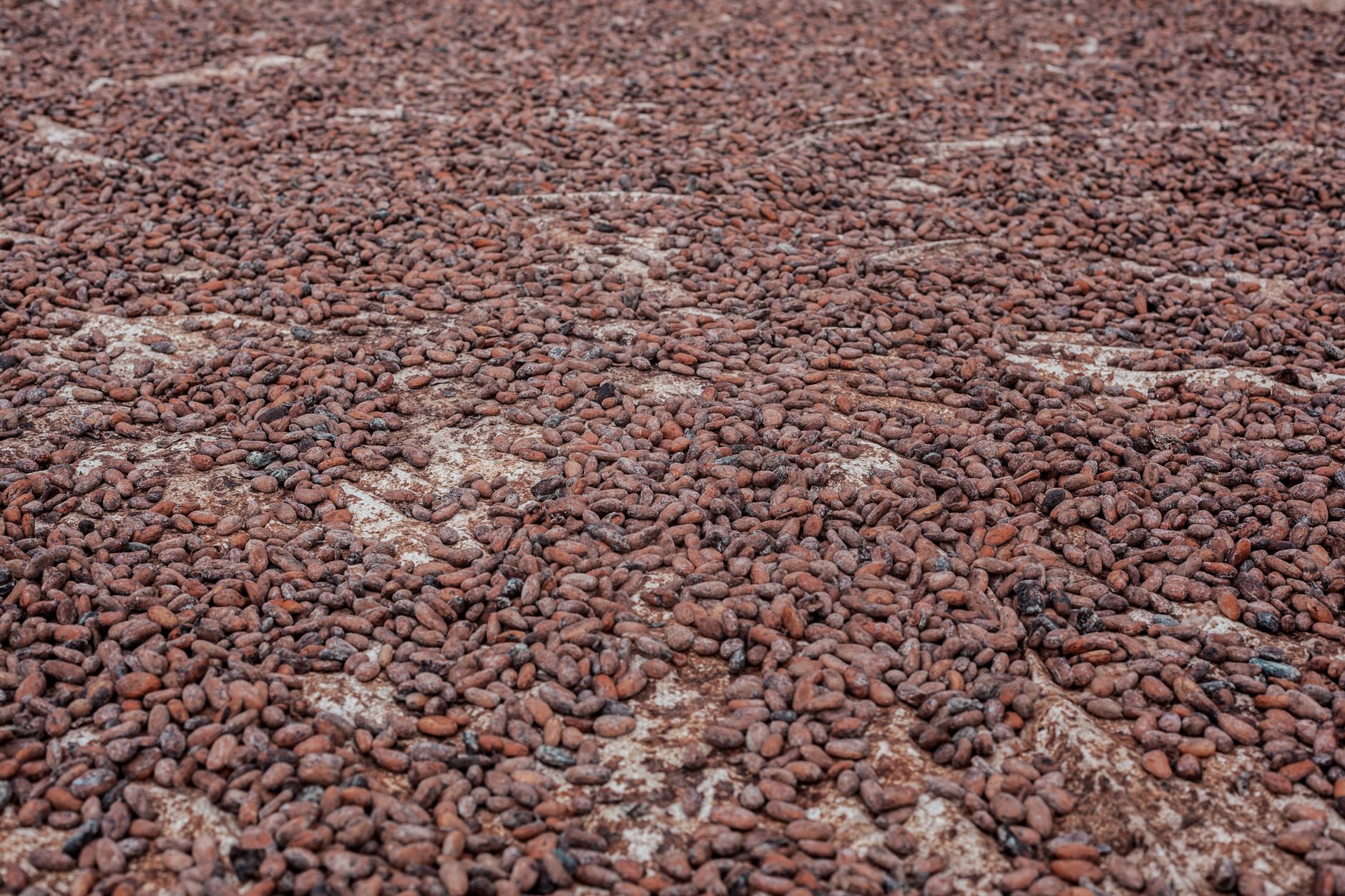
- Harvesting of ripe cocoa pods, followed by fermentation and drying of the beans.
As the Kenyan government promotes cocoa farming, farmers are encouraged to adopt best practices to maximize yields and ensure sustainable production. With the global demand for chocolate rising, cocoa farming in Kenya could potentially offer significant economic benefits to local communities.
Benefits of Cocoa Farming in Kenya
Cocoa farming in Kenya presents numerous benefits for both smallholder farmers and the economy as a whole. As the government promotes this agricultural venture, several key advantages emerge:
- Economic Growth: Increased production of cocoa can significantly contribute to the national economy, providing new revenue streams.
- Diverse Crop Opportunities: Cocoa farming allows farmers to diversify their crops, reducing reliance on traditional staples like maize.
- Job Creation: The establishment of cocoa farms can lead to job opportunities in rural areas, enhancing livelihoods.
- Export Potential: With growing global demand for chocolate, Kenya can position itself as a competitive exporter of high-quality cocoa.
- Environmental Benefits: Cocoa farming encourages sustainable agricultural practices that can improve soil health and biodiversity.
Overall, cocoa farming in Kenya stands out as a promising investment opportunity for the future.
Challenges Faced by Cocoa Farmers
Cocoa farming in Kenya presents numerous challenges that farmers must navigate to ensure success. These challenges include:
- Climate Variability: Changes in weather patterns can significantly affect cocoa yields, making it difficult for farmers to predict production levels.
- Pest and Disease Management: Cocoa plants are susceptible to various pests and diseases, which can devastate crops if not managed effectively.
- Lack of Infrastructure: Inadequate roads and transportation facilities hinder access to markets, leading to losses and reduced profitability for cocoa farmers.
- Financial Constraints: Many farmers struggle to access credit and financial support, limiting their ability to invest in necessary farming inputs and technology.
- Market Fluctuations: The price of cocoa can be volatile, impacting farmers’ income and overall sustainability.
Addressing these challenges is crucial for the growth of cocoa farming in Kenya.
Government Support for Cocoa Farming
The Kenyan government is increasingly recognizing the potential of cocoa farming in Kenya as a lucrative agricultural venture. Initiatives aimed at supporting this industry have been launched, highlighting a commitment to enhance productivity and sustainability within the sector.
- Financial Support: The government is providing subsidies and grants to farmers to encourage cocoa cultivation and improve infrastructure.
- Training Programs: Educational initiatives are being established to equip farmers with best practices in cocoa farming, ensuring they are well-prepared to meet market demands.
- Market Access: The government is working to facilitate better access to both local and international markets, promoting Kenyan cocoa as a premium product.
With these measures in place, cocoa farming in Kenya is poised to attract both local and foreign investment, fostering economic growth and enhancing the livelihoods of farmers across the region.
Success Stories from Cocoa Farmers
Cocoa farming in Kenya has begun to show promising success stories that highlight its potential as a lucrative investment opportunity. Many farmers have embraced this new venture, reporting significant improvements in their livelihoods. For instance, James Mwangi, a farmer from Meru County, has tripled his income since he started cultivating cocoa beans three years ago. He attributes his success to the training provided by agricultural organizations and the availability of quality seedlings.
Another success story is that of Mary Njeri, who has formed a cooperative with fellow farmers to share resources and knowledge. This collaboration has helped them to access better markets and negotiate fair prices for their cocoa. As more Kenyans explore cocoa farming, the future looks bright for this emerging sector, promising economic growth and sustainable development.
These success stories serve as an inspiration for others considering cocoa farming in Kenya.
How to Start Cocoa Farming in Kenya
Starting cocoa farming in Kenya can be an exciting venture for prospective farmers. Here are some essential steps to guide you through the process:
- Research: Begin by understanding the cocoa farming industry, including market demands and best practices.
- Soil Preparation: Ensure the land is suitable for cocoa cultivation by conducting soil tests and preparing the ground adequately.
- Seed Selection: Choose high-quality cocoa seeds that are resistant to diseases and pests.
- Planting: Follow recommended planting distances and techniques to ensure healthy growth.
- Maintenance: Regularly monitor the plants for pests and diseases, and implement proper irrigation and fertilization practices.
- Harvesting: Learn the correct time and method for harvesting cocoa pods to maximize yield.
With dedication and the right strategies, cocoa farming in Kenya can become a fruitful investment opportunity.
Future of Cocoa Farming in Kenya
The future of cocoa farming in Kenya looks promising as the government intensifies its support for the sector. With initiatives aimed at boosting production and improving farmer livelihoods, many view cocoa farming in Kenya as a viable investment opportunity.
As global demand for cocoa continues to rise, Kenya’s climatic conditions and fertile soils present an ideal environment for cultivation. Farmers are increasingly adopting modern techniques and sustainable practices, which enhance yield and quality.
Moreover, the establishment of cooperatives and processing facilities is expected to add value to the raw product, increasing profitability for farmers.
However, continued investment in research and development is crucial to overcome existing challenges. Overall, with the right support, cocoa farming in Kenya could become a key contributor to the nation’s agricultural economy.
Photo by Bamidele Sodiq on Pexels