









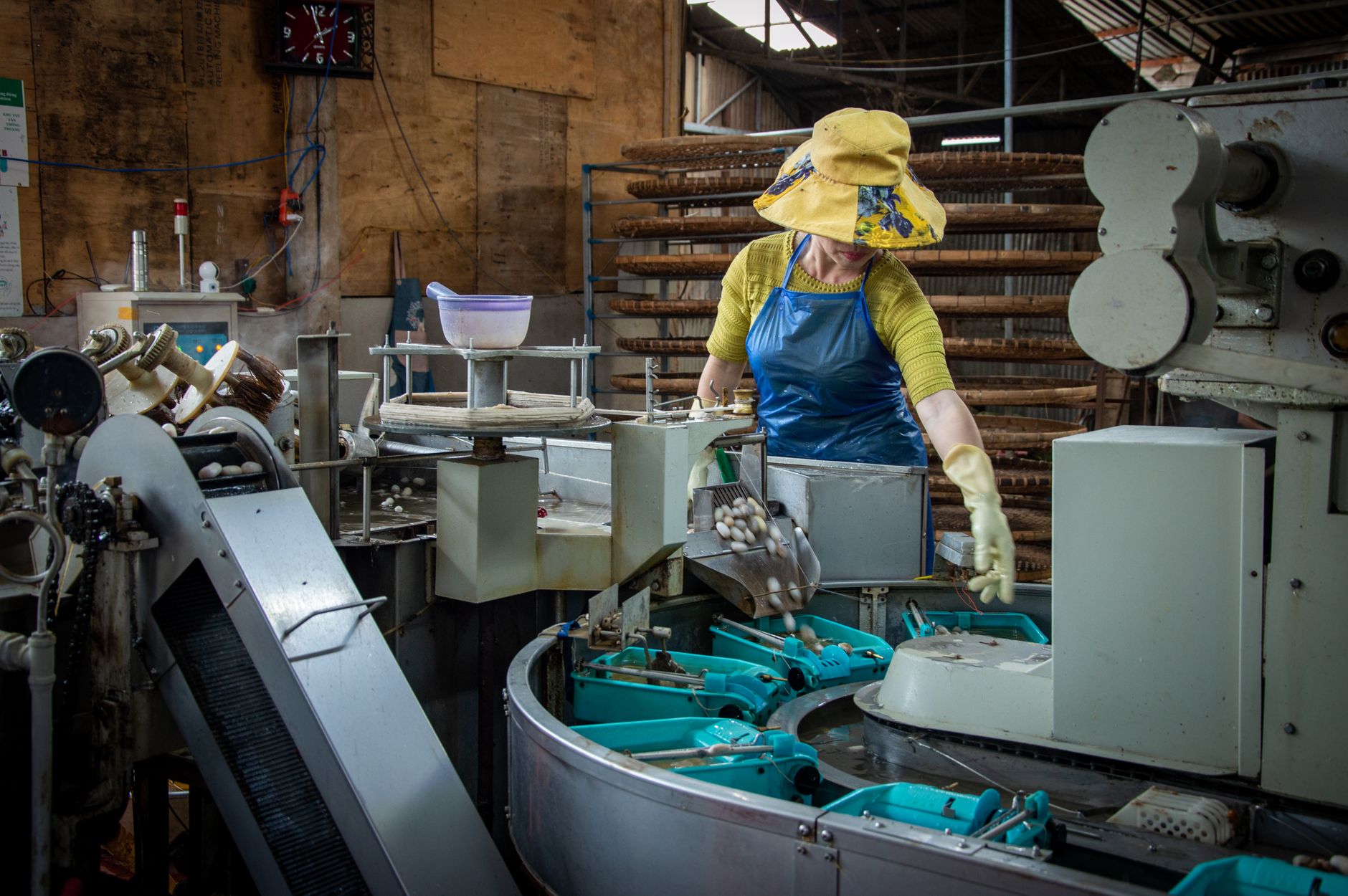
The food processing sector is witnessing strong transformation due to innovative policies. The recent production linked incentive scheme is driving significant changes in India’s agricultural landscape.
Overview of the Food Processing Sector
The food processing sector plays a crucial role in enhancing the overall agricultural economy of a country. In recent years, this sector has witnessed significant transformation driven by various factors, including government initiatives, technological advancements, and changing consumer preferences.
In India, the food processing sector is experiencing robust growth, fueled by the introduction of the Production Linked Incentive (PLI) scheme. This initiative aims to boost domestic manufacturing, encourage local production, and increase exports. As a result, businesses are increasingly adopting innovative practices to enhance efficiency and quality.
Key trends shaping the evolution of the food processing sector include:
- Automation and Technology: The integration of advanced machinery and software is streamlining operations, reducing labor costs, and improving product consistency.
- Sustainability Practices: There is a growing emphasis on sustainable sourcing and waste reduction, aligning with global environmental goals.
- Health-Conscious Products: Consumer demand for healthier options has led to an increase in organic and fortified food offerings.
These trends highlight the dynamic nature of the food processing sector, positioning it for continued growth and innovation in the coming years.
Impact of the Production Linked Incentive Scheme
The Production Linked Incentive (PLI) scheme has emerged as a pivotal force in reshaping the food processing sector in India. Designed to enhance domestic manufacturing and attract investment, the scheme has led to a significant uptick in production capacities across various segments.
Several key impacts of the PLI scheme include:
- Increased Investment: The scheme has encouraged both domestic and foreign investors to channel funds into the food processing sector, fostering innovation and technological advancements.
- Job Creation: With the expansion of production facilities, new job opportunities have been generated, contributing to economic growth and stability in rural areas.
- Export Growth: Enhanced production capabilities have positioned Indian food products more competitively in the global market, boosting export potential.
- Sustainable Practices: The initiative promotes sustainable practices within the food processing sector, encouraging companies to adopt eco-friendly methods and reduce waste.
Overall, the Production Linked Incentive scheme is not just a catalyst for growth but also a transformative approach aimed at making the food processing sector more resilient and competitive on a global scale.
Challenges Facing the Food Processing Industry
The food processing sector is undergoing significant changes, but it faces a variety of challenges that could hinder its progress. One of the primary issues is the lack of advanced technology adoption, which is crucial for improving efficiency and maintaining competitiveness in a global market.
Moreover, the industry struggles with inadequate infrastructure, particularly in rural areas where most raw materials are sourced. This often leads to high transportation costs and wastage of perishable goods. Additionally, the inconsistent quality of raw materials can disrupt the processing cycle and affect product standards.
Another challenge is the regulatory environment, which can be complex and cumbersome. Compliance with food safety standards and regulations requires investment and expertise that smaller enterprises may lack.
Furthermore, the food processing sector faces increasing pressure to meet consumer demand for healthier and more sustainable products. Adapting to these changing preferences necessitates innovation and flexibility, which can be difficult for established companies.
To overcome these challenges, stakeholders must collaborate and invest in technology, infrastructure, and training to ensure the food processing sector can thrive in the evolving landscape.
Future Prospects for Food Processing in India
The future prospects for the food processing sector in India appear promising, driven by ongoing transformations and government initiatives. With the implementation of the Production Linked Incentive (PLI) scheme, the sector is expected to attract significant investments, thereby enhancing production capabilities and improving overall efficiency.
Moreover, advancements in technology are set to revolutionize the way food is processed, packaged, and distributed. Key trends shaping the future include:
- Automation: Increased adoption of automation technologies is likely to streamline operations, reduce labor costs, and improve product quality.
- Sustainable Practices: A shift towards eco-friendly practices will resonate with consumers, pushing companies to adopt sustainable sourcing and production methods.
- Health-Oriented Products: Growing consumer awareness regarding health and nutrition will drive the demand for processed foods that are nutritious and free from harmful additives.
- Export Opportunities: Expanding global markets present new opportunities for Indian food processors to export high-quality products, further boosting the sector.
As these trends continue to unfold, the food processing sector is poised for significant growth, contributing to India’s economy and enhancing food security.
Photo by Vika Glitter on Pexels