







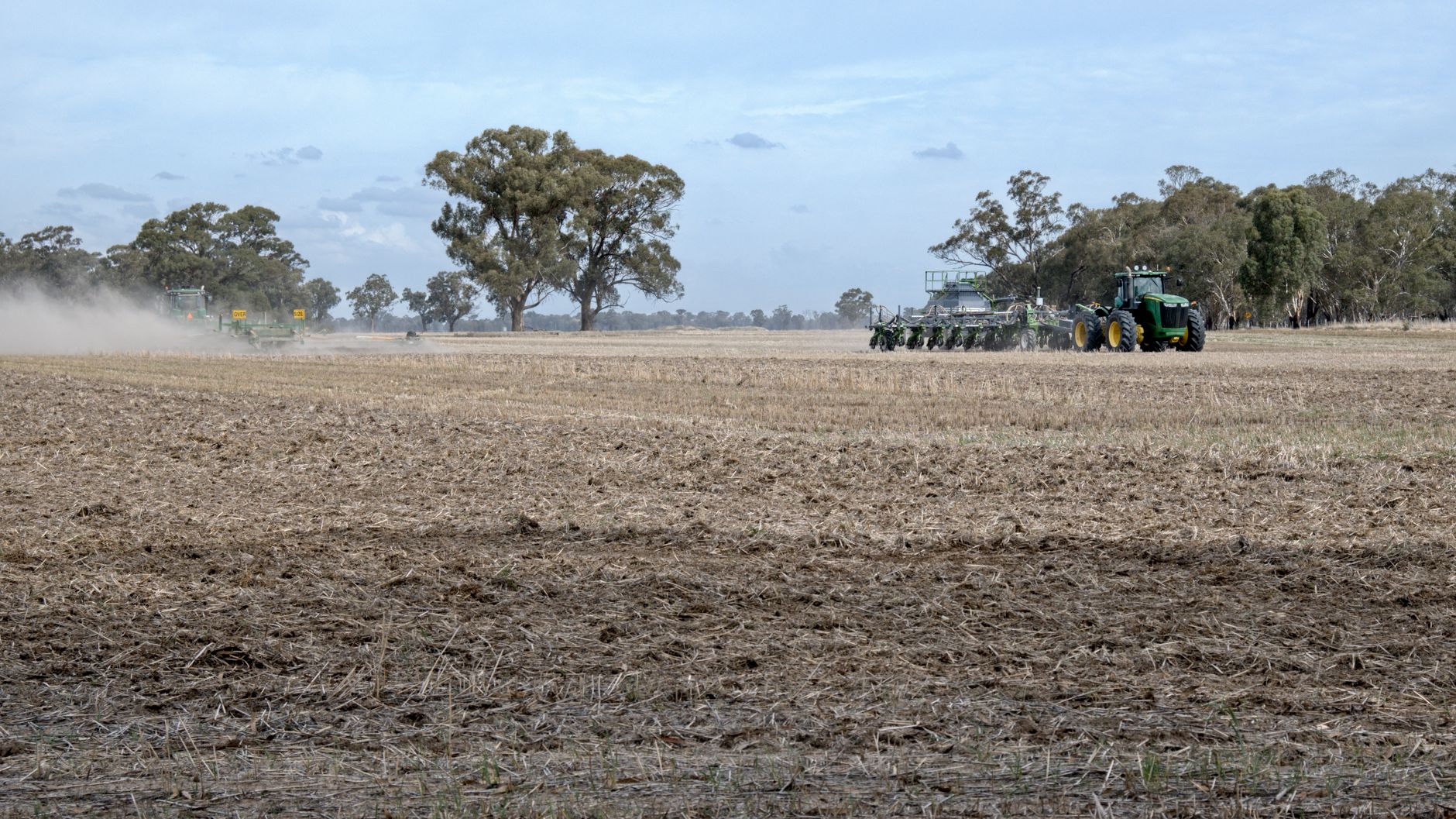
Wheat sowing area has risen in Punjab, showcasing a significant boost in agricultural activity this season. This increase reflects the farmers’ commitment to enhancing crop yields.
Overview of Wheat Sowing in Punjab
Punjab has witnessed a significant increase in the wheat sowing area, marking a positive trend for the agricultural sector. The region, known for its fertile land and favorable climate, has become a crucial contributor to the country’s wheat production. In recent years, farmers have adapted their practices to enhance yield and maximize the potential of their fields.
Several factors have contributed to the rise in wheat sowing area in Punjab:
- Government Initiatives: The state government has implemented various schemes aimed at encouraging farmers to expand their sowing areas and improve crop management practices.
- Access to Improved Seed Varieties: Farmers now have access to high-yielding and disease-resistant seed varieties, which have significantly boosted productivity.
- Advanced Agricultural Techniques: The introduction of modern farming techniques and technologies has helped farmers optimize their resources, leading to increased sowing areas.
- Market Demand: Growing domestic and international demand for wheat has incentivized farmers to cultivate more land for wheat production.
As a result, Punjab’s wheat sowing area has not only increased but has also positioned the state as a leader in wheat cultivation in India. This upward trend is expected to continue, benefiting both farmers and the broader economy.
Factors Contributing to Increased Sowing Area
The increase in the wheat sowing area in Punjab can be attributed to several critical factors that have positively influenced farmers’ decisions. Understanding these elements is essential for appreciating the overall growth in agricultural productivity in the region.
- Government Initiatives: The Punjab government has implemented various schemes aimed at supporting farmers, including subsidies on seeds and fertilizers. These initiatives encourage farmers to expand their wheat sowing area.
- Improved Seed Varieties: The introduction of high-yielding and disease-resistant wheat varieties has resulted in better crop outputs. Farmers are more inclined to increase their sowing area knowing that these seeds can lead to a more fruitful harvest.
- Access to Modern Technology: The adoption of modern agricultural technologies, such as precision farming and efficient irrigation systems, has enhanced the overall productivity of wheat cultivation, motivating farmers to plant more.
- Favorable Weather Conditions: Recent years have seen favorable weather patterns, including adequate rainfall and moderate temperatures, which have provided optimal conditions for wheat growth, further encouraging the expansion of sowing areas.
- Market Demand: Increased demand for wheat both domestically and in international markets has incentivized farmers to maximize their sowing area to meet this demand.
These factors collectively contribute to the best proven increase in the wheat sowing area in Punjab, showcasing the region’s agricultural resilience and potential for growth.
Impact on Local Farmers and Economy
The recent rise in the wheat sowing area in Punjab has had a profound impact on local farmers and the regional economy. As more land is dedicated to wheat cultivation, farmers are beginning to see a significant increase in their yields and income. This shift is particularly beneficial for small-scale farmers who rely heavily on wheat as a staple crop.
According to local agricultural experts, the expansion of the wheat sowing area has resulted in several key benefits:
- Increased Income: Farmers are reporting higher sales due to the improved yield, which has allowed them to invest in better farming equipment and practices.
- Job Creation: The growing wheat sector has led to the creation of new job opportunities in farming and related industries, providing vital employment to many in rural areas.
- Improved Food Security: With more wheat being produced locally, the reliance on imported grain decreases, enhancing food security within the region.
- Boost to Local Businesses: Increased agricultural activity has stimulated local economies, benefiting businesses that supply seeds, fertilizers, and machinery.
Overall, the rise in the wheat sowing area in Punjab not only supports the livelihoods of farmers but also strengthens the overall economy, fostering a more sustainable agricultural future.
Comparison with Previous Years’ Data
The latest data reveals a significant increase in the wheat sowing area in Punjab compared to previous years. This year’s expansion is attributed to a combination of favorable weather conditions and enhanced agricultural practices.
In 2021, the wheat sowing area was recorded at approximately 3.2 million hectares. By 2022, this figure had grown to 3.5 million hectares, marking a notable rise. The current statistics show an even more impressive increase, with the wheat sowing area reaching 3.8 million hectares in 2023. This growth illustrates the commitment of local farmers to adapt and optimize their farming methods.
Several factors have contributed to this upward trend, including:
- Improved Seed Varieties: Farmers are adopting high-yielding and disease-resistant wheat varieties.
- Advanced Irrigation Techniques: Efficient water management practices have enabled better crop production.
- Government Support: Subsidies and training programs have empowered farmers with knowledge and resources.
This consistent increase in the wheat sowing area not only boosts the agricultural output but also enhances food security in the region. As Punjab continues to establish itself as a leading wheat-producing state, the focus on sustainable agricultural practices remains paramount.
Government Support for Wheat Cultivation
The government has implemented several initiatives aimed at enhancing the wheat sowing area in Punjab, recognizing its vital role in the region’s agriculture and food security. These measures are designed to support farmers and encourage increased production, which is essential for both local consumption and export.
One significant initiative is the provision of subsidies on seeds and fertilizers. These subsidies reduce the financial burden on farmers, making it easier for them to invest in high-quality seeds that can lead to a greater yield. Additionally, training programs have been established to educate farmers on best practices for wheat cultivation, focusing on modern techniques that can improve efficacy and sustainability.
Furthermore, the government has increased its investment in irrigation infrastructure, providing farmers with better access to water resources. This is particularly important in areas prone to drought, where reliable irrigation can significantly affect the wheat sowing area and overall yield.
Support from agricultural experts is also a critical aspect of the government’s strategy. Through regular outreach and guidance, farmers are receiving tailored advice on crop management, pest control, and soil health, which are essential for maximizing their output.
As a result of these combined efforts, the wheat sowing area in Punjab has seen a considerable increase, leading to improved productivity and economic benefits for the farming community.
Challenges Faced by Farmers
The increase in the wheat sowing area in Punjab has not come without its challenges for local farmers. Despite the promising growth and government support, several factors continue to hinder their efforts.
- Water Scarcity: One of the primary concerns is the availability of water for irrigation. As climate change impacts weather patterns, farmers are finding it increasingly difficult to secure enough water for their crops, which can significantly affect yields.
- Pest Infestation: Farmers are also facing challenges with pest infestations, which can devastate wheat crops. The reliance on chemical pesticides has raised concerns about sustainability and health, pushing farmers to seek more organic solutions.
- Market Volatility: The fluctuating prices of wheat in the market create uncertainty for farmers. Even with an increased sowing area, the return on investment can be unpredictable, leading to financial strain.
- Soil Degradation: Continuous wheat cultivation without proper soil management practices can lead to soil degradation. Farmers are urged to adopt crop rotation and other sustainable practices to maintain soil health.
These challenges underline the need for comprehensive support systems and educational resources to help farmers navigate the complexities of expanding their wheat sowing area effectively.
Future Projections for Wheat Production
As Punjab continues to experience a significant rise in its wheat sowing area, future projections for wheat production are optimistic. Agricultural experts predict that with the ongoing support from both the government and local agricultural bodies, Punjab is poised for a record-breaking harvest in the upcoming seasons.
The increase in the sowing area is attributed to various factors, including favorable weather conditions and improved seed varieties. These advancements allow farmers to maximize their yield potential. Additionally, the introduction of modern farming techniques and equipment has made it easier for farmers to cultivate larger plots of land effectively.
According to recent studies, if the current trends continue, Punjab’s wheat production could exceed previous records by a significant margin. This growth not only contributes to the state’s economy but also plays a crucial role in national food security.
However, challenges remain, including the need for sustainable farming practices to combat soil degradation and water scarcity. Farmers are encouraged to adopt eco-friendly methods to ensure that the increased sowing area does not compromise the long-term viability of the land.
In conclusion, while the future of wheat production in Punjab looks promising, it is essential to address these challenges proactively to maintain the upward trajectory of the wheat sowing area and ensure that local farmers thrive.
Expert Opinions on Agricultural Trends
Experts in agriculture have weighed in on the recent trends regarding the wheat sowing area in Punjab, highlighting the significant increase observed this season. Dr. Aisha Malik, an agricultural economist, noted that the rise in wheat cultivation is a result of several interrelated factors. “Farmers are increasingly recognizing the profitability of wheat, especially with the government’s supportive policies and subsidies,” she explained.
Additionally, Dr. Ravi Singh, a crop specialist, emphasized the importance of modern farming techniques. “The adoption of high-yielding seed varieties and effective irrigation practices has enabled farmers to expand their sowing areas,” he stated. This shift not only boosts production but also enhances food security in the region.
Farmers have expressed optimism about the current trends. Many are now investing in advanced agricultural equipment and better soil management practices, which further contribute to the expansion of the wheat sowing area. Local agricultural cooperatives are also playing a pivotal role by providing training and resources to farmers.
However, experts caution that challenges still exist, such as climate variability and resource management. “While the outlook is positive, we must remain vigilant about sustainable practices to ensure that this growth is maintained in the long term,” warned Dr. Malik.
Overall, the expert consensus indicates a promising future for wheat cultivation in Punjab.
Photo by Alistair McLellan on Pexels