







shelf life of baked products is a vital concern for bakeries and consumers alike. AB Enzymes has launched VERON® MaxiFresh, a new solution designed to enhance freshness and longevity.
Introduction to Shelf Life of Baked Products
The shelf life of baked products is a crucial aspect of the food industry, influencing both quality and safety. Understanding how to extend this shelf life can lead to enhanced consumer satisfaction and reduced food waste. With the advancement of technology and innovations in food preservation, manufacturers are now better equipped to tackle this challenge.
Recently, AB Enzymes launched VERON® MaxiFresh, a product designed specifically to extend the shelf life of baked products. This innovative solution focuses on improving product freshness and maintaining flavor while delaying staleness. The growing demand for longer-lasting baked goods has prompted such advancements, as consumers increasingly seek convenience without compromising quality.
There are several factors that impact the shelf life of baked products, including:
- Moisture Content: High moisture levels can lead to mold growth and spoilage.
- Storage Conditions: Temperature and humidity play significant roles in product longevity.
- Ingredient Quality: Fresh, high-quality ingredients can positively affect shelf life.
- Packaging: Proper packaging can protect products from environmental factors.
In conclusion, the shelf life of baked products can be effectively managed through innovative solutions like VERON® MaxiFresh, ensuring that consumers enjoy fresh and safe baked goods for an extended period.
The Role of Enzymes in Food Preservation
Enzymes play a crucial role in enhancing the shelf life of baked products, acting as natural preservatives that improve texture and freshness. By incorporating specific enzymes into the baking process, manufacturers can effectively slow down staling and spoilage. These enzymes work by breaking down complex carbohydrates, proteins, and fats, which can otherwise lead to the deterioration of baked goods over time.
One of the significant innovations in this field is the introduction of enzyme-based solutions, such as AB Enzymes’ VERON® MaxiFresh. This product is designed to extend the shelf life of baked products by maintaining moisture and softness, ensuring that items like bread and pastries remain appealing to consumers for longer periods.
Some of the key benefits of using enzymes for shelf life extension include:
- Improved Texture: Enzymes help retain the desirable texture of baked goods, keeping them soft and fresh.
- Enhanced Flavor: They can also contribute to the development of flavors during the baking process, making products tastier.
- Reduced Waste: By increasing the shelf life of baked products, businesses can minimize food waste and improve profitability.
- Natural Solutions: Enzymes are derived from natural sources, making them a preferable choice for health-conscious consumers.
Overall, the role of enzymes in food preservation is vital to achieving optimal shelf life of baked products.
How VERON® MaxiFresh Works
VERON® MaxiFresh is an innovative solution developed by AB Enzymes, specifically designed to extend the shelf life of baked products. This enzyme-based product works by enhancing the moisture retention and overall quality of baked goods, which is crucial for maintaining freshness over time.
The key to VERON® MaxiFresh lies in its unique formulation that targets starch retrogradation and protein interactions within the dough. By doing so, it not only improves the texture but also helps in keeping the products soft and appealing to consumers. The use of this enzyme effectively slows down the staling process, which is a common issue faced by baked goods.
In addition to extending shelf life, VERON® MaxiFresh offers several other benefits:
- Improved freshness: Baked items maintain their desirable characteristics for longer periods.
- Enhanced flavor: Enzymatic action can contribute to a more pronounced taste profile.
- Reduced waste: Longer shelf life translates to less spoilage and more efficient inventory management.
- Versatility: Suitable for a wide range of baked products from bread to pastries.
With VERON® MaxiFresh, bakers can confidently offer products that stay fresher for longer, aligning with consumer demands for quality and convenience.
Benefits of Extended Shelf Life
Understanding the shelf life of baked products is crucial for both manufacturers and consumers. By extending the shelf life, businesses can reap numerous benefits that not only enhance profitability but also improve product quality.
- Reduced Food Waste: One of the most significant advantages of extending the shelf life of baked goods is the reduction in food waste. Products that last longer can be sold and consumed before they spoil, leading to less waste in landfills.
- Cost-Effective: Longer shelf life means that baked products can be stored for a longer period without losing quality. This flexibility allows manufacturers to optimize production schedules and reduce costs associated with frequent restocking.
- Increased Customer Satisfaction: Consumers appreciate fresh products. By utilizing solutions like VERON® MaxiFresh, which effectively prolongs the freshness of baked goods, businesses can meet customer expectations and foster brand loyalty.
- Wider Distribution: With extended shelf life, baked products can be shipped and stored over greater distances and durations. This opens up new market opportunities and allows businesses to reach customers in areas that may have previously been inaccessible.
In summary, focusing on the shelf life of baked products not only benefits manufacturers but also significantly enhances the overall consumer experience.
Consumer Impact on Bakery Products
The shelf life of baked products is a critical concern for both consumers and manufacturers. As fresh baked goods become a staple in many households, understanding how to maximize their longevity can significantly impact consumer satisfaction and waste reduction.
Consumers often prioritize freshness, flavor, and texture when selecting baked goods. However, the average shelf life of these products can vary widely based on ingredients, packaging, and storage conditions. Many are unaware that various factors, such as humidity and temperature, can dramatically shorten the lifespan of their favorite items.
To help address these issues, manufacturers are increasingly investing in advanced preservation techniques. The introduction of innovations like VERON® MaxiFresh presents a promising solution to extend the shelf life of baked products. By enhancing moisture retention and inhibiting spoilage, these solutions not only improve product quality but also cater to consumer demands for fresher options.
Additionally, consumers are becoming more informed and selective about their food choices. This trend has led to increased interest in products that can maintain their quality over time. As a result, many are seeking out baked goods that can remain fresh longer without compromising taste.
In conclusion, the relationship between shelf life and consumer preferences is crucial for the bakery industry. Understanding and adapting to these needs will ultimately benefit both consumers and producers alike.
Future Trends in Food Technology
As the food industry continues to evolve, future trends in food technology are set to significantly influence the shelf life of baked products. Innovations in this field are driven by the increasing demand for longer-lasting and more nutritious baked goods.
One key area of development is the use of natural preservatives. These ingredients not only help to extend shelf life but also cater to the growing consumer preference for clean-label products. As health-conscious consumers seek transparency in their food choices, manufacturers are focusing on formulations that utilize plant-based and organic options.
Another promising trend is the integration of smart packaging. This technology can monitor freshness and provide real-time feedback on the quality of baked goods, potentially revolutionizing how consumers interact with these products. By utilizing sensors that detect changes in moisture and gas levels, manufacturers can better manage inventory and reduce food waste.
Additionally, advancements in biotechnology are paving the way for innovative solutions to enhance the shelf life of baked products. For instance, the application of specific enzymes can significantly improve texture and moisture retention.
In conclusion, the future of baked goods looks promising as technology continues to enhance preservation methods, ensuring that consumers enjoy fresh, high-quality products for longer periods.
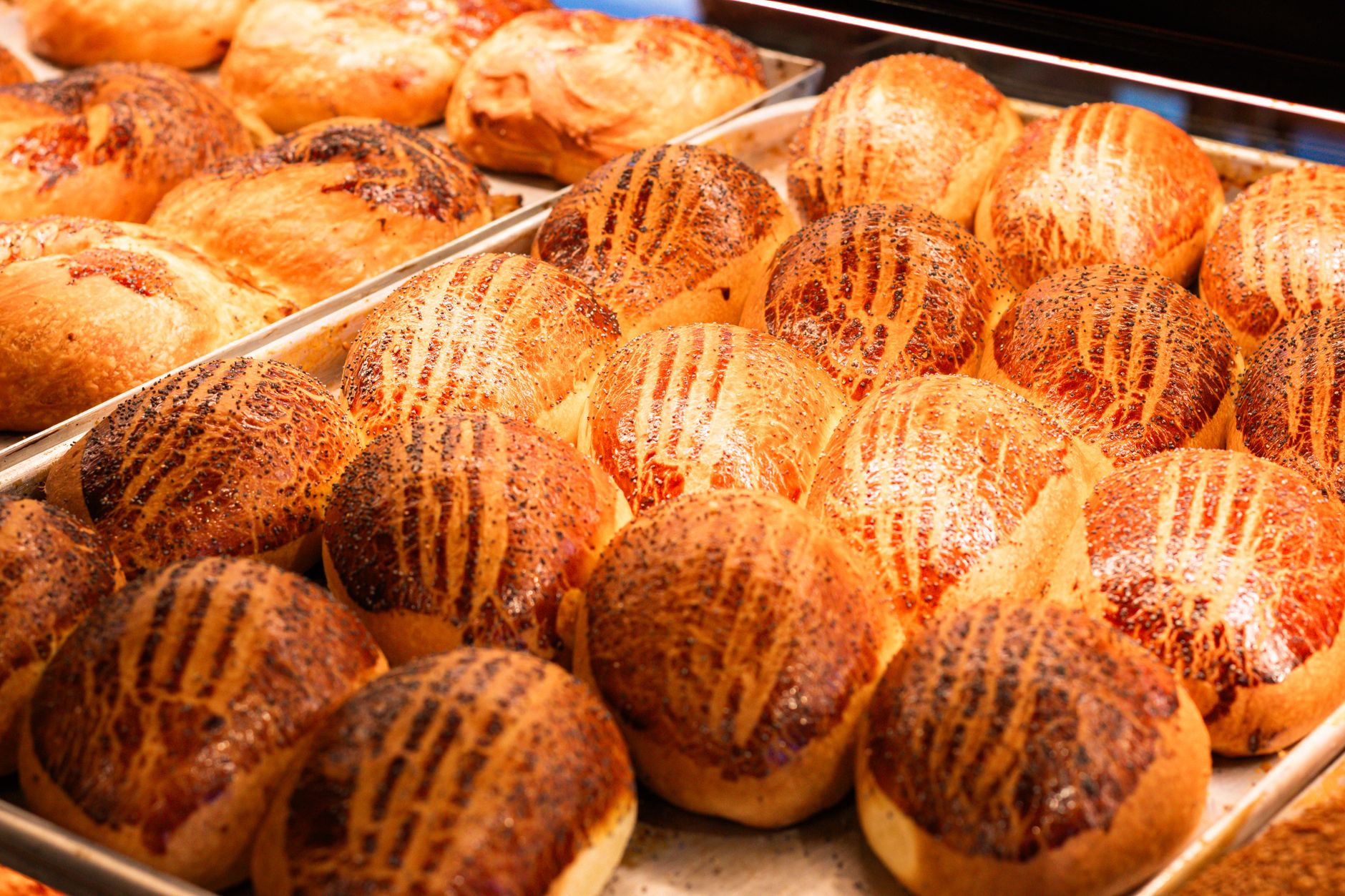
Photo by mehmetakifarts on Pexels
Sources
Daily Nutrition and Health: Yuvraj Singh’s Proven Protocol32 · Chaiiwala UK expansion: Is it the Best Move for Growth? · Fazer Solein launch: What is the Best Opinion from EFSA?