









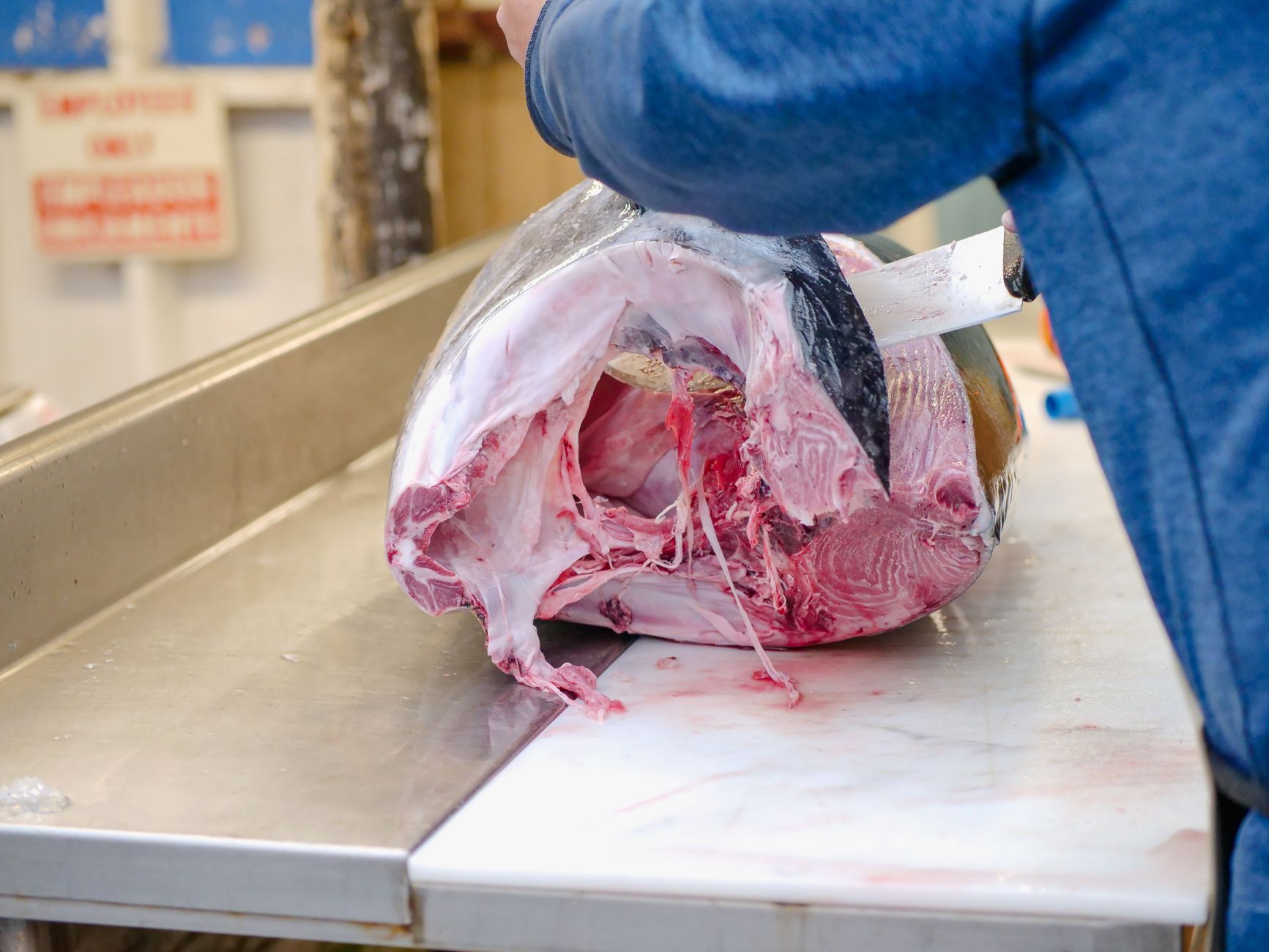
The Pacific tuna bloc is gearing up for a new initiative. This Pacific tuna bloc longline vessel-day scheme aims to improve sustainable fishing by 2027.
Overview of the Pacific tuna bloc
The Pacific tuna bloc is an initiative aimed at promoting sustainable fishing practices across the Pacific Ocean. This collaborative effort involves several Pacific Island nations working together to manage and conserve tuna stocks effectively. By implementing innovative schemes, the bloc seeks to balance ecological sustainability with economic viability for local fishing communities.
One of the key strategies of the Pacific tuna bloc is the introduction of a longline vessel-day scheme, set to roll out in 2027. This system will allow for better regulation of fishing activities, ensuring that tuna populations remain healthy while providing fishers with the opportunity to operate within a controlled environment.
The overarching goal of the Pacific tuna bloc is to create a resilient fishing industry that can adapt to changing environmental conditions and market demands, ultimately securing the future of tuna fishing for generations to come.
Importance of sustainable fishing
The significance of sustainable fishing practices cannot be overstated, particularly in the context of the Pacific tuna bloc. As global fish stocks continue to decline, it is crucial to implement measures that ensure the long-term viability of marine ecosystems.
Sustainable fishing not only helps to maintain the balance of oceanic life but also supports the livelihoods of millions who depend on fishing for their income. The Pacific tuna bloc has recognized this need and is taking steps to promote responsible fishing methods.
Key benefits of sustainable fishing include:
- Protection of marine biodiversity: Ensures that fish populations remain healthy and diverse.
- Economic stability: Creates reliable income sources for fishing communities.
- Food security: Guarantees that future generations have access to marine resources.
Through initiatives like the longline vessel-day scheme planned for 2027, the Pacific tuna bloc aims to set a benchmark for sustainable fisheries management.
Details on the longline vessel-day scheme
The Pacific tuna bloc is set to implement a new longline vessel-day scheme aimed at enhancing sustainable fishing practices by 2027. This initiative focuses on regulating the number of fishing days allocated to longline vessels, ensuring that tuna stocks are preserved for future generations.
Key details of the longline vessel-day scheme include:
- Allocation of Days: Each participating vessel will receive a limited number of fishing days based on scientific assessments of tuna populations.
- Monitoring Compliance: Advanced tracking technologies will be employed to monitor fishing activities and ensure adherence to the scheme.
- Collaboration: Member nations will work together to share data and best practices, fostering a united approach to sustainable fishing.
This scheme reflects the Pacific tuna bloc’s commitment to balancing ecological health with the economic needs of local fishing communities.
Impact on local fisheries
The Pacific tuna bloc has significantly influenced local fisheries by promoting sustainable practices that ensure the longevity of tuna populations. With the implementation of the longline vessel-day scheme, local fishers are experiencing both ecological and economic benefits.
Many communities that rely on tuna fishing are seeing:
- Increased fish stocks: By regulating fishing days, the scheme helps replenish tuna populations, allowing for healthier marine ecosystems.
- Improved livelihoods: Sustainable fishing practices lead to more stable catches, ensuring that local fishers can maintain their incomes.
- Enhanced community participation: Local stakeholders are more involved in decision-making processes, fostering a sense of ownership and responsibility towards marine resources.
As the Pacific tuna bloc prepares for the 2027 implementation, the potential for a thriving local fishing industry remains promising, benefiting both the environment and coastal communities.
Future of tuna fishing in the Pacific
The future of tuna fishing in the Pacific appears promising, particularly with the implementation of the Pacific tuna bloc’s longline vessel-day scheme set for 2027. This innovative approach aims to enhance sustainability while ensuring the vitality of tuna stocks in the region.
Stakeholders are optimistic that the new regulations will lead to better management of fishing efforts. The longline vessel-day scheme is designed to limit the number of days vessels can fish, thus reducing overfishing and allowing tuna populations to recover.
Additionally, this scheme is expected to benefit local communities by providing a more reliable source of income and food security. As the Pacific tuna bloc continues to refine its strategies, the focus remains on balancing ecological health with economic viability, ensuring that future generations can enjoy the rich resources of the Pacific Ocean.
Overall, the initiative underscores a commitment to sustainable practices that are essential for the long-term health of tuna fisheries.
Photo by Kindel Media on Pexels