






Paddy harvesting Kashmir has concluded with farmers reporting good yields, highlighting a successful season for local agriculture. The favorable weather and diligent farming practices contributed to this positive outcome.
Overview of Paddy Harvesting in Kashmir
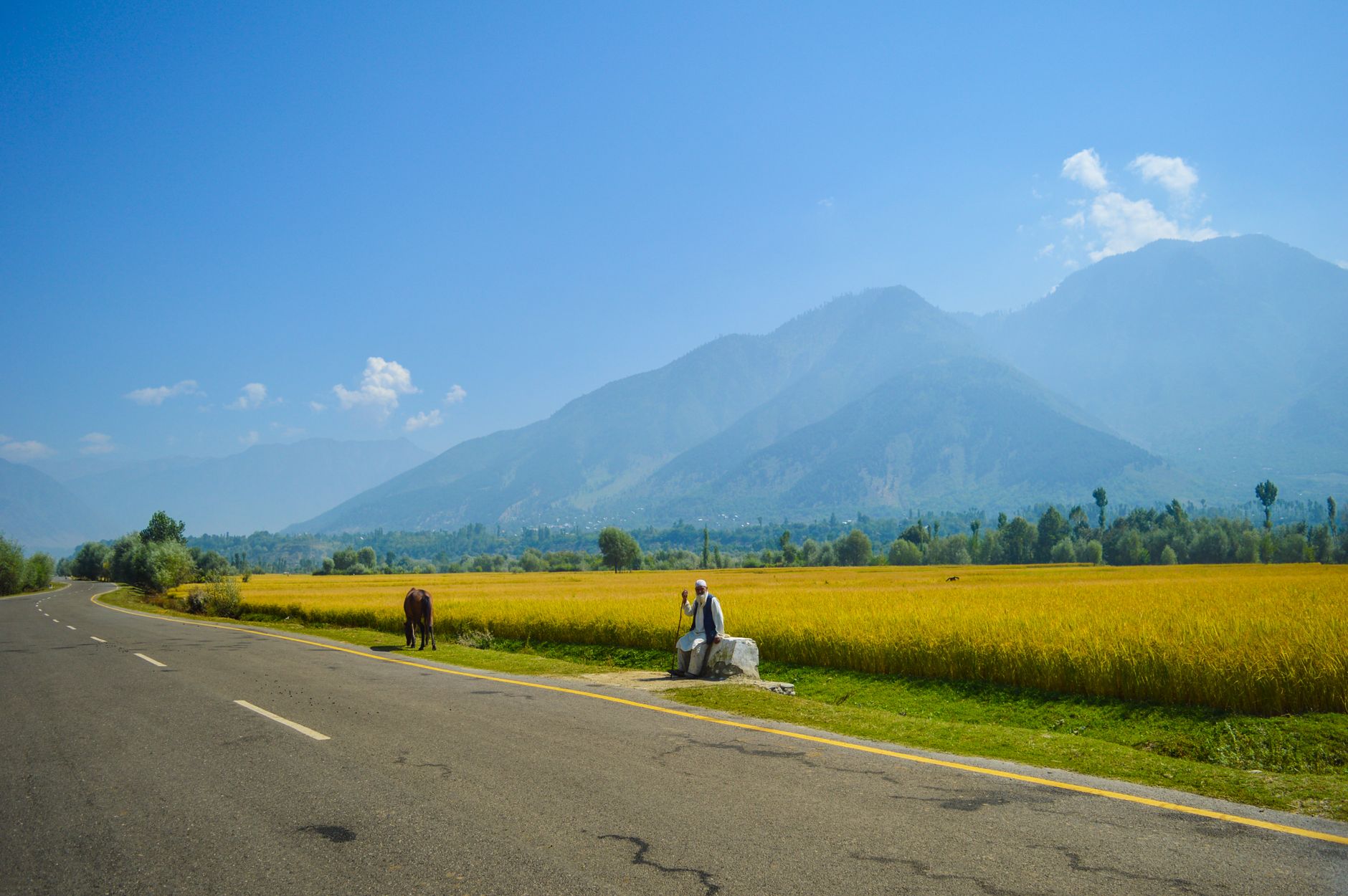
Paddy harvesting in Kashmir has concluded for the season, with farmers expressing optimism about the yields reported this year. The favorable weather conditions and effective agricultural practices have significantly contributed to the success of this year’s harvest. Farmers across the region have noted that the quality of the rice produced is better than expected, which is a positive sign for the local economy.
Several factors have influenced the successful paddy harvesting in Kashmir this year:
- Weather Conditions: The region experienced adequate rainfall during the growing season, which helped in the proper development of the crops.
- Modern Techniques: Many farmers adopted improved farming methods and technologies that enhanced productivity and reduced losses.
- Government Support: Initiatives by the local government aimed at providing resources and training to farmers have also played a crucial role in achieving better yields.
The reports from various districts indicate that many farmers have harvested more than the average yield this year, bringing a sense of relief and joy to the community. The success in paddy harvesting not only supports the livelihoods of farmers but also strengthens the agricultural backbone of the region. As Kashmir continues to grow as a significant player in rice production, the results from this harvest season mark a promising future for the agricultural sector.
Farmers’ Reports on Yield
Farmers across Kashmir are celebrating the conclusion of the paddy harvesting season, with many reporting yields that exceed their expectations. The recent harvesting period has brought optimism among local farmers, who have worked diligently throughout the season to cultivate their fields.
Several farmers shared their experiences, highlighting the following points:
- Increased Yields: Many farmers noted that this year’s paddy harvesting in Kashmir has resulted in significantly higher yields compared to previous years.
- Quality of Grain: The quality of the harvested paddy has been reported as excellent, with farmers expressing satisfaction over the grain’s size and weight.
- Favorable Weather Conditions: Farmers attributed their successful harvests to favorable weather conditions throughout the growing season, including timely rainfall and moderate temperatures.
- Use of Modern Techniques: Some farmers have adopted modern agricultural practices and technologies, contributing to better crop management and increased productivity.
- Community Support: Farmers emphasized the importance of community cooperation, with neighbors helping each other during peak harvesting times.
The overall sentiment among the farmers is one of hope and resilience, as they look forward to the next planting season, eager to continue improving their paddy harvesting techniques for even better outcomes in the future.
Impact of Weather on Crops
The impact of weather on crops in Kashmir has been a significant factor during the recent paddy harvesting season. Farmers have expressed that this year’s climatic conditions have played a crucial role in achieving optimal yields. The careful balance of sunshine and rainfall has fostered a favorable environment for paddy harvesting in Kashmir, allowing crops to thrive.
Several weather-related factors contributed to the successful harvest:
- Timely Rainfall: Adequate rainfall during the growth period ensured that the paddy plants received the necessary moisture, leading to robust growth.
- Moderate Temperatures: The moderate temperatures experienced throughout the season helped prevent heat stress, which can adversely affect crop development.
- Reduced Pest Incidence: Favorable weather conditions also led to a decrease in pest populations, reducing the need for chemical interventions and resulting in healthier crops.
- Optimal Harvesting Conditions: The weather remained dry during the harvesting period, facilitating easier access to fields and minimizing the risk of spoilage.
Farmers have noted that the combination of these weather elements has not only increased their yields but has also improved the quality of the paddy harvested. As the season concludes, the positive reports on paddy harvesting in Kashmir reflect the significant role of weather in agricultural success.
Best Practices for Successful Harvesting
The success of paddy harvesting in Kashmir relies heavily on the implementation of best practices that farmers can adopt to maximize their yields. To achieve optimal results, several key strategies should be considered.
- Soil Preparation: Proper soil preparation is essential. Farmers should conduct soil tests to understand nutrient levels and make necessary amendments before planting.
- Seed Selection: Choosing high-quality seeds that are resistant to local pests and diseases can significantly influence the overall yield. Indigenous varieties often perform well in the region’s climate.
- Irrigation Management: Efficient irrigation practices, such as alternate wetting and drying, can enhance water use efficiency and reduce the risk of disease.
- Pest Control: Integrated pest management techniques, including natural predators and organic pesticides, help maintain a healthy crop while minimizing environmental impact.
- Timely Harvesting: Harvesting at the right time is crucial. Farmers should monitor grain moisture levels to determine the optimal time for harvesting, which can prevent losses due to shattering or spoilage.
- Post-Harvest Handling: Proper storage and handling methods post-harvest can preserve the quality of the crop, ensuring that farmers receive the best price in the market.
By adhering to these best practices, farmers in Kashmir can enhance their chances of successful paddy harvesting and achieve the best proven yields reported this season.
Economic Benefits of Good Yields
The recent paddy harvesting season in Kashmir has brought a wave of optimism among farmers as they report impressive yields. This surge in productivity not only enhances the livelihoods of the agricultural community but also stimulates the local economy significantly. The economic benefits of good yields extend beyond just the farmers, positively impacting various sectors.
Firstly, increased paddy yields lead to higher income for farmers, which allows them to invest in better quality seeds and modern farming equipment. This cycle of investment promotes sustainable agriculture practices, ensuring long-term benefits. Additionally, as farmers earn more, they often spend on local goods and services, thereby supporting small businesses and creating job opportunities in the region.
Moreover, a successful paddy harvesting season can lead to a reduction in food prices, making essential grains more accessible to the local population. This not only helps in alleviating poverty but also boosts consumer confidence in the market.
Furthermore, the agricultural success in Kashmir contributes to the overall economic stability of the region. With paddy harvesting Kashmir thriving, the government may also consider investing in infrastructure improvements, such as irrigation systems and storage facilities, further enhancing the agricultural sector’s efficiency.
In summary, the economic benefits derived from good paddy yields resonate throughout the community, fostering growth and stability in various interconnected sectors.
Future of Agriculture in Kashmir
The future of agriculture in Kashmir looks promising, particularly with the advancements in paddy harvesting techniques. Farmers are increasingly adopting modern practices that not only enhance yields but also ensure sustainability in the region’s unique climatic conditions.
As highlighted in recent reports, the implementation of new technologies and farming methods has led to a significant improvement in the quality and quantity of paddy production. These innovations range from the use of improved seed varieties to enhanced irrigation methods, which have been crucial in adapting to the varying weather patterns observed in the region.
Moreover, with a growing emphasis on organic farming, many farmers are shifting towards eco-friendly practices that not only protect the environment but also appeal to a market increasingly interested in sustainable food sources. This shift is expected to bolster the reputation of Kashmiri paddy in national and international markets.
Additionally, the collaboration between local farmers and agricultural experts has fostered a knowledge-sharing environment that encourages the exchange of best practices. Training programs and workshops are being organized to equip farmers with the skills needed to optimize their yields further.
In conclusion, the future of agriculture in Kashmir appears to be on an upward trajectory, with paddy harvesting leading the way. As farmers continue to embrace innovation and sustainability, the region is poised to become a significant player in the agricultural sector.
Community Support for Farmers
The successful paddy harvesting in Kashmir this season has been attributed not only to favorable weather conditions but also to the strong support from local communities. Farmers have noted that this community backing has played a crucial role in ensuring efficient harvesting processes and maximizing yields.
Several initiatives have emerged, where local groups come together to assist in various stages of paddy harvesting. These collaborative efforts have helped farmers share resources and labor, making the process more manageable and effective. The sense of camaraderie among community members has fostered an environment where knowledge and techniques are exchanged, further enhancing the quality of the harvest.
Some key aspects of community support for farmers include:
- Resource Sharing: Farmers often lend equipment and tools to one another, reducing individual costs and improving efficiency.
- Labor Cooperation: Community members frequently join forces to help with labor-intensive tasks, allowing for quicker and more efficient harvesting.
- Knowledge Exchange: Experienced farmers share best practices and innovative methods, which have led to improved paddy harvesting techniques.
- Financial Assistance: Local organizations sometimes provide loans or subsidies to help farmers invest in better harvesting equipment.
This robust community support system not only contributes to a successful paddy harvesting season in Kashmir but also strengthens social ties, ensuring a brighter future for agricultural practices in the region.
Paddy harvesting Kashmir has seen remarkable improvements in recent years, with farmers adopting innovative techniques that significantly boost their yields. As the region continues to focus on sustainable practices, the future of paddy harvesting Kashmir looks promising for both local economies and food security.
Photo by The Narrative lens on Pexels
Sources
Related stories
Medjool date growth: Proven strategies for success · Nicotine-free pouches: The Best Proven Marketplace Launch · AI-Powered Concept Muse: The Smart Solution for Food Innovation