


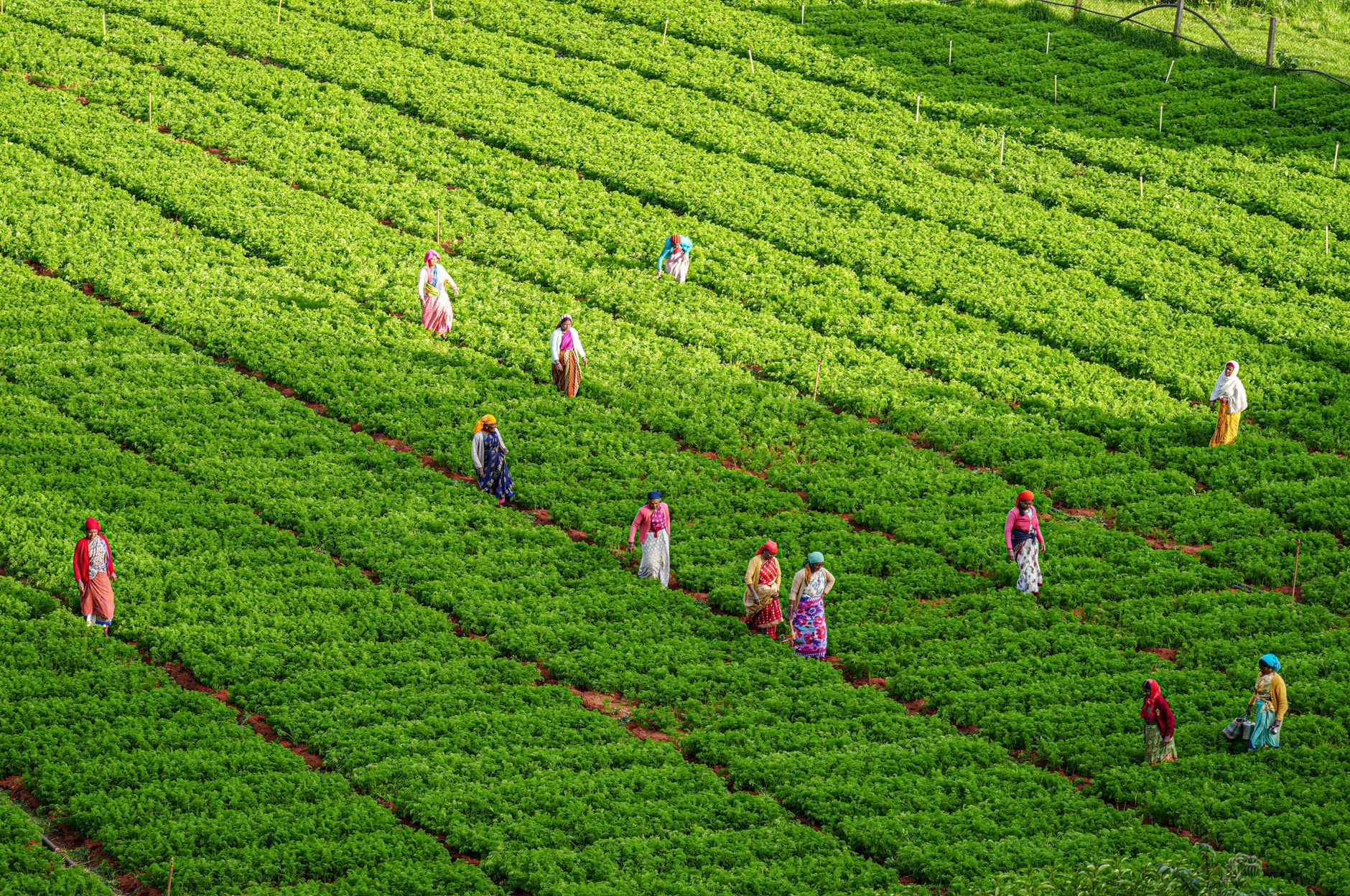
Agriculture Department Schemes are essential for improving agricultural productivity. Recent reviews in DC Rajouri highlight their implementation and effectiveness.
Overview of Agriculture Department Schemes
The Agriculture Department Schemes play a crucial role in enhancing the agricultural sector’s productivity and sustainability. These schemes are designed to support farmers through various initiatives aimed at improving crop yield, providing financial assistance, and offering technical advice.
Recently, DC Rajouri conducted a review of the implementation of these schemes, emphasizing the need for effective engagement with local farmers to ensure maximum benefits. The meeting highlighted several key components:
- Financial Support: Direct subsidies and loans to assist farmers in purchasing seeds and equipment.
- Training Programs: Workshops to educate farmers on modern farming techniques.
- AgriStack Integration: Leveraging technology to streamline agricultural processes and data management.
Such comprehensive approaches within the Agriculture Department Schemes are essential for fostering a resilient agricultural landscape.
Importance of AgriStack
The importance of AgriStack in enhancing the effectiveness of Agriculture Department Schemes cannot be overstated. This digital infrastructure aims to streamline agricultural practices, ensuring that farmers receive timely information and services. By integrating various agricultural data sources, AgriStack facilitates better decision-making and resource allocation.
Key benefits of AgriStack include:
- Data Accessibility: Farmers can access crucial information regarding weather forecasts, crop prices, and best farming practices.
- Financial Support: The system aids in the efficient disbursement of subsidies and financial assistance under various Agriculture Department Schemes.
- Improved Crop Management: Tailored advice helps farmers optimize their crop yields while minimizing resource wastage.
Overall, AgriStack represents a significant advancement in agricultural technology, making it an essential component of the Agriculture Department Schemes.
Recent Developments in DC Rajouri
In recent developments, the Deputy Commissioner (DC) of Rajouri has conducted a comprehensive review of the implementation of Agriculture Department Schemes and the AgriStack initiative. This assessment aims to ensure that farmers in the region are benefiting from the available resources and support. Key points discussed during the meeting included:
- Assessment of current schemes: Evaluating the effectiveness and reach of existing programs.
- Feedback from farmers: Gathering insights on challenges faced by the agricultural community.
- Future plans: Discussing new strategies to enhance productivity and sustainability in farming.
The DC emphasized the importance of timely implementation of these Agriculture Department Schemes to improve the livelihoods of farmers and boost local agricultural production.
Challenges Faced in Implementation
The implementation of Agriculture Department Schemes faces several challenges that hinder their effectiveness. Key issues include:
- Funding Constraints: Limited financial resources can restrict the availability and reach of various schemes.
- Awareness and Accessibility: Many farmers are unaware of the schemes available to them, leading to underutilization.
- Infrastructural Limitations: Poor infrastructure in rural areas can complicate the delivery of services and benefits.
- Bureaucratic Delays: Lengthy processes and red tape can slow down the implementation of critical initiatives.
- Technical Challenges: Farmers may lack the necessary training to effectively utilize new technologies introduced through these schemes.
Addressing these challenges is essential for the success of Agriculture Department Schemes and for improving agricultural productivity across the region.
Success Stories from Local Farmers
Local farmers have reported significant benefits from the Agriculture Department Schemes aimed at enhancing productivity and sustainability. One such success story comes from a group of farmers in Rajouri who adopted modern irrigation techniques supported by these schemes. They have witnessed a remarkable increase in crop yields, allowing them to improve their livelihoods.
Another inspiring example is a cooperative of fruit growers who utilized funding from the Agriculture Department to invest in organic farming practices. Their transition to organic produce not only increased their market reach but also garnered higher prices at local markets.
These success stories highlight the positive impact of Agriculture Department Schemes and demonstrate the potential for growth and innovation within the agricultural sector, encouraging more farmers to embrace new strategies for sustainable farming.
Future of Agriculture in Kashmir
The future of agriculture in Kashmir appears promising, driven by innovative Agriculture Department Schemes aimed at enhancing productivity and sustainability. With the implementation of modern techniques and technologies, farmers are expected to adapt to changing climatic conditions while improving their crop yields.
Furthermore, the integration of AgriStack is set to revolutionize farming practices, providing farmers with access to critical data and resources. This digital transformation will empower them to make informed decisions, thereby increasing efficiency and reducing losses.
As the local government continues to support these schemes, collaboration among stakeholders—including farmers, researchers, and policymakers—will play a vital role in shaping the agricultural landscape. In the coming years, effective execution of these initiatives could lead to a sustainable agricultural future, ensuring food security and economic stability in the region.
Community Involvement in Agriculture
Community involvement plays a crucial role in the success of Agriculture Department Schemes. By actively engaging local farmers and stakeholders, these initiatives can be tailored to meet the specific needs of the community. This participatory approach fosters a sense of ownership and accountability among farmers, leading to better implementation and sustainability.
Key benefits of community involvement include:
- Knowledge Sharing: Farmers can exchange best practices and innovative techniques, enhancing overall productivity.
- Resource Mobilization: Communities can pool resources, making it easier to access tools and financial support.
- Feedback Mechanism: Local input helps refine Agriculture Department Schemes, ensuring they are effective and relevant.
Ultimately, fostering community participation not only empowers individual farmers but also strengthens the agricultural sector as a whole.
Photo by Aravind P.S on Pexels