








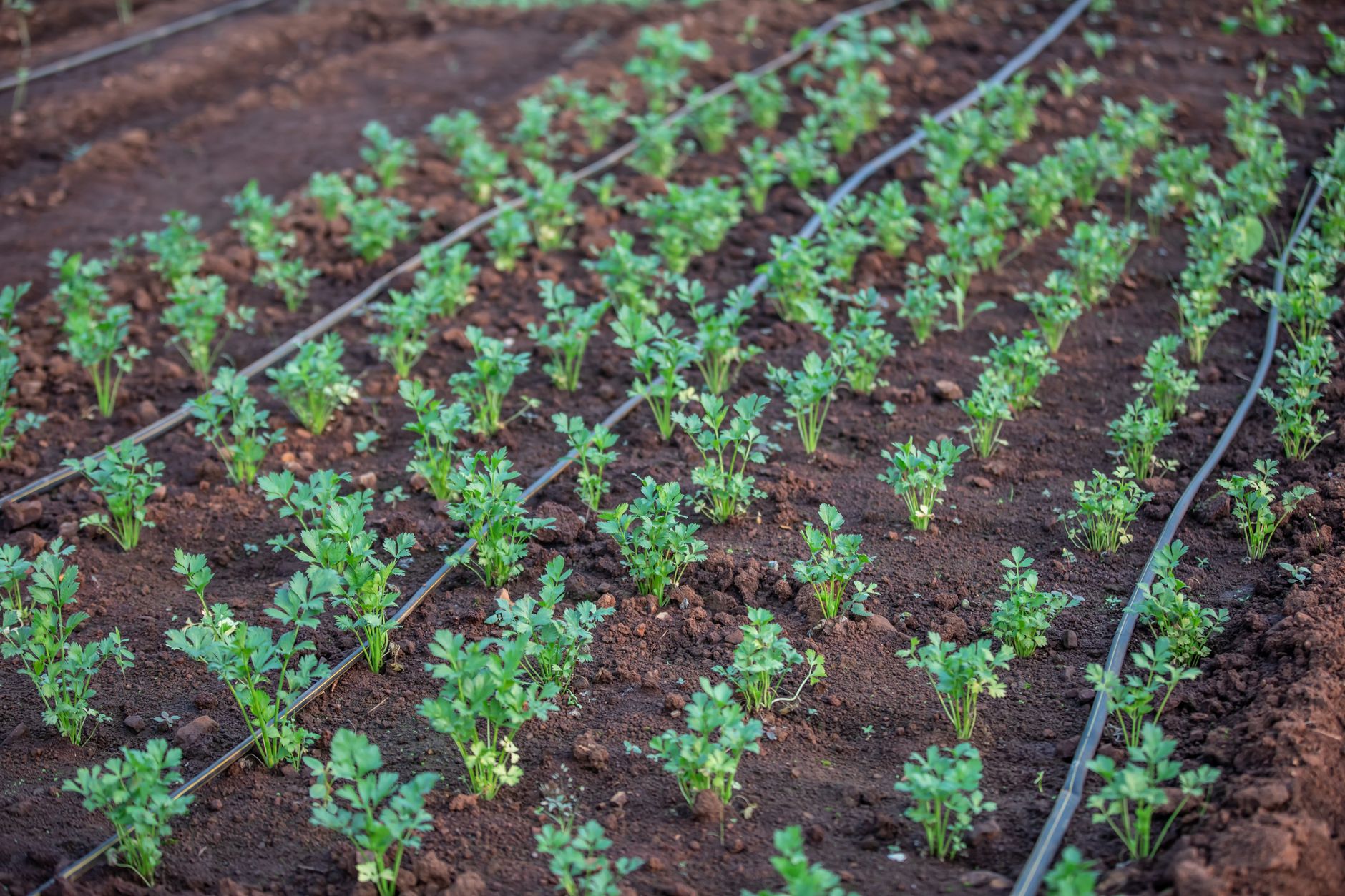
The drip irrigation scheme has brought significant water security to farmers in drought-hit Karnataka. This innovative approach is helping over 10,000 farmers improve their agricultural productivity and sustainability.
Overview of the Drip Irrigation Scheme
The drip irrigation scheme has emerged as a vital solution for farmers facing water scarcity, particularly in regions prone to drought. In Karnataka, the recent implementation of the Tarikere lift and drip irrigation scheme has significantly transformed agricultural practices, benefiting over 10,000 farmers. This innovative approach delivers water directly to the roots of plants, ensuring efficient usage and reducing wastage.
The scheme is designed to address several key challenges:
- Water Conservation: By minimizing evaporation and runoff, the drip irrigation scheme conserves precious water resources, making it ideal for arid regions.
- Improved Crop Yield: With a steady supply of water, crops can thrive, leading to increased productivity and better quality produce.
- Cost-Effectiveness: Although the initial setup may require investment, the long-term savings on water and labor costs make it a financially viable option for farmers.
- Climate Resilience: This method allows farmers to adapt to changing climate conditions, ensuring consistent yields despite unpredictable weather patterns.
As more farmers adopt the drip irrigation scheme, it not only enhances their livelihoods but also contributes to sustainable agricultural practices in the region.
Impact on Farmers in Karnataka
The implementation of the drip irrigation scheme in Karnataka has significantly transformed the agricultural landscape for many farmers. With water scarcity being a persistent challenge, especially in drought-hit areas, the scheme provides a reliable solution to enhance water security.
Over 10,000 farmers in the Tarikere region have begun to reap the benefits of this innovative approach to irrigation. The scheme not only optimizes water usage but also increases crop yields, allowing farmers to cultivate more effectively even in arid conditions.
- Increased Efficiency: The drip irrigation technique delivers water directly to the plant roots, minimizing wastage.
- Higher Crop Yields: Farmers have reported substantial increases in their harvests due to better moisture retention.
- Cost Savings: Reduced water consumption leads to lower utility bills and enhanced profitability.
- Environmental Benefits: The scheme promotes sustainable farming practices, conserving water resources.
This shift towards the drip irrigation scheme underscores a broader movement in Karnataka towards sustainable agricultural practices, ensuring that farmers are better equipped to face the challenges posed by climate change and water scarcity.
How Drip Irrigation Works
The drip irrigation scheme is a highly efficient method that delivers water directly to the roots of plants, reducing evaporation and runoff. This technique utilizes a network of tubing, emitters, and valves to control water flow, ensuring that crops receive just the right amount of moisture needed for optimal growth.
At the heart of the system, emitters release water in a slow, steady manner, allowing it to seep into the soil. This targeted approach minimizes water waste and enhances nutrient uptake by the plants. The drip irrigation scheme is particularly beneficial in regions with limited water resources, as it maximizes productivity while conserving precious water supplies.
Farmers can customize their drip irrigation systems according to their specific crop requirements. Some of the key components include:
- Mainline and Sub-main lines: These carry water from the source to the fields.
- Emitters: Installed along the mainline, they release water directly to the plants.
- Filters: Essential for maintaining clean water flow and preventing clogging of emitters.
By adopting the drip irrigation scheme, farmers in drought-hit areas can enhance their water security and improve crop yields, ensuring sustainability in agriculture.
Benefits of Water Security
The implementation of the drip irrigation scheme has brought numerous benefits, particularly in enhancing water security for farmers. This innovative approach not only conserves water but also ensures that crops receive the optimal amount of hydration needed for growth. As a result, farmers can achieve higher yields, which directly contributes to their income stability.
Among the key advantages of water security through drip irrigation are:
- Efficient Water Usage: Drip irrigation minimizes water loss by delivering water directly to the plant roots, reducing evaporation and runoff.
- Increased Crop Productivity: With consistent moisture levels, crops thrive, leading to greater harvests and improved quality.
- Reduced Labor Costs: Automated systems reduce the need for manual irrigation, allowing farmers to allocate their time and resources more effectively.
- Environmental Sustainability: The scheme promotes sustainable farming practices by using less water and reducing dependency on rainfall.
- Resilience to Climate Change: By improving water security, farmers are better equipped to handle drought conditions, safeguarding their livelihoods.
Overall, the drip irrigation scheme stands out as a proven solution, ensuring that farmers in Karnataka can cultivate their land with confidence, even amidst challenges posed by changing weather patterns.
Challenges Faced by Farmers
Despite the numerous advantages of the drip irrigation scheme, farmers face several challenges that can hinder its effectiveness. Understanding these obstacles is crucial for improving adoption rates and ensuring long-term success.
- High Initial Costs: One of the primary barriers is the initial investment required for installation. Many farmers, especially those from smallholdings, find it difficult to afford the upfront costs associated with setting up a drip irrigation system.
- Lack of Technical Knowledge: Effective implementation of drip irrigation requires technical expertise that many farmers may not possess. Without proper training and guidance, they may struggle to optimize the system for their specific crops and soil conditions.
- Maintenance Issues: Regular maintenance is essential to the functioning of a drip irrigation scheme. Farmers may encounter difficulties in maintaining the system, leading to reduced efficiency and water wastage.
- Water Availability: While the scheme aims to enhance water security, inconsistent water supply due to climate change and other factors can still pose challenges, diminishing the intended benefits.
Addressing these challenges through education, financial assistance, and improved infrastructure is vital for maximizing the potential of drip irrigation schemes and ensuring water security for farmers.
Government Support for Agriculture
The government has increasingly recognized the importance of sustainable agricultural practices, particularly in regions facing water scarcity. One such initiative is the drip irrigation scheme, which has been pivotal in enhancing water security for farmers. By providing financial assistance and technological support, the government aims to encourage the adoption of efficient irrigation methods.
Through various programs, farmers are offered subsidies to install drip irrigation systems, which significantly reduce water wastage while improving crop yields. This initiative aligns with the broader goal of ensuring food security and promoting sustainable farming practices across the country.
Moreover, training sessions and workshops are regularly conducted to educate farmers about the benefits of drip irrigation and how to maintain these systems effectively. This hands-on support is essential for maximizing the benefits of the drip irrigation scheme.
In addition, the government collaborates with local agricultural departments to monitor the implementation of these schemes, ensuring that farmers receive the necessary guidance and resources. By fostering a supportive environment, authorities aim to empower farmers, ultimately leading to a more resilient agricultural sector capable of thriving even in challenging conditions.
- Subsidies for installation
- Training and workshops
- Collaboration with local departments
Future of Irrigation in Drought Areas
The future of irrigation in drought-stricken areas is being reshaped by innovative technologies such as the drip irrigation scheme. As climate change continues to exacerbate water scarcity, this efficient method presents a sustainable solution for farmers seeking to secure their livelihoods.
According to agricultural experts, the adoption of drip irrigation systems can lead to significant improvements in crop yields, even in regions facing prolonged dry spells. By delivering water directly to the plant roots, this technique minimizes evaporation and runoff, ensuring that every drop counts.
Many farmers in Karnataka have already witnessed the transformative effects of the drip irrigation scheme. The recent implementation of the Tarikere lift and drip irrigation scheme has specifically benefited over 10,000 farmers, enabling them to cultivate their land more effectively. As more farmers adopt this technology, the potential for increased resilience against drought conditions becomes evident.
Looking ahead, investment in research and development will be crucial to further enhance drip irrigation systems. Additionally, training programs for farmers can help maximize the benefits of this approach. By embracing such innovations, the agricultural sector can pave the way for a more secure and sustainable future, safeguarding water resources while ensuring food security for generations to come.
Success Stories from the Field
In the heart of Karnataka, the drip irrigation scheme has transformed the lives of countless farmers. One notable success story comes from the village of Tarikere, where over 10,000 farmers have benefited from the innovative approach to water management. With the persistent threat of drought, these farmers have turned to drip irrigation, which minimizes water wastage and ensures a consistent supply of moisture to their crops.
Farmers like Ramesh, who previously struggled with unreliable rainfall, have reported a remarkable increase in crop yields since adopting the scheme. He shares, “Before, I would worry every season about whether my crops would survive. Now, with drip irrigation, I can control the water supply and produce healthier vegetables.”
Another success story comes from Lakshmi, who has diversified her farming practices thanks to the water security provided by the scheme. She states, “I have started growing fruits alongside my usual crops, which has significantly increased my income.”
The drip irrigation scheme not only boosts productivity but also fosters a sense of community among farmers. Many have begun sharing their experiences and knowledge, helping each other maximize the benefits of this transformative approach to agriculture.
Photo by Anil Sharma on Pexels