


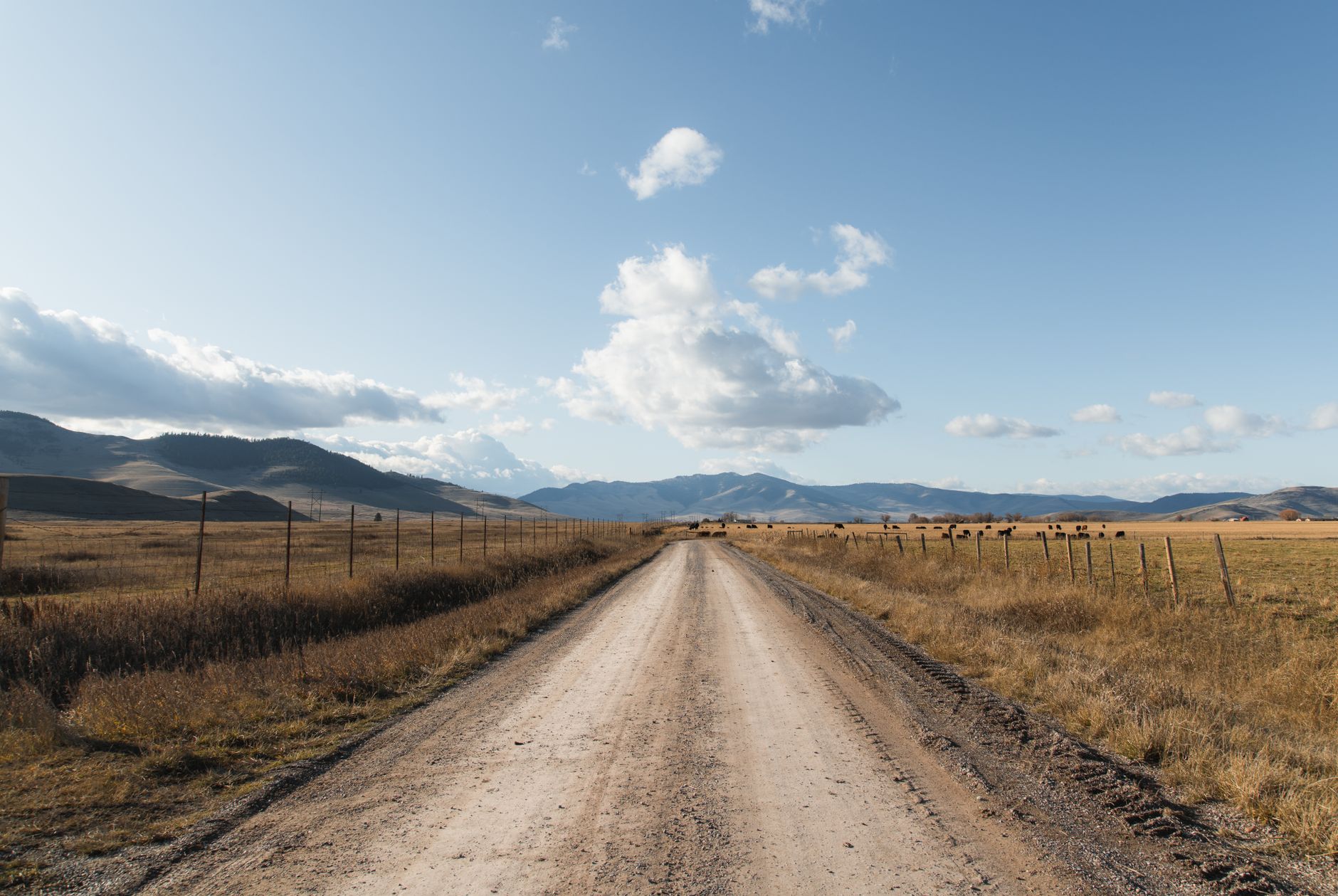
The grassland restoration drive is a significant initiative aimed at revitalizing ecosystems within the Similipal Tiger Reserve. This project covers 500 hectares and focuses on enhancing biodiversity.
Overview of the Grassland Restoration Drive
The recent initiative at Similipal Tiger Reserve marks a significant step in the grassland restoration drive aimed at revitalizing local ecosystems. This ambitious project encompasses the restoration of 500 hectares of grassland, which plays a crucial role in supporting biodiversity and enhancing the health of the environment.
The grassland restoration drive is designed to address various ecological challenges, including habitat loss and soil degradation. By reintroducing native plant species and implementing sustainable management practices, the project aims to restore the natural balance of the ecosystem.
- Improved Wildlife Habitat: Restored grasslands provide essential habitats for various species, promoting biodiversity.
- Soil Health: The restoration efforts contribute to better soil structure and nutrient cycling, enhancing agricultural productivity.
- Carbon Sequestration: Healthy grasslands act as carbon sinks, helping to mitigate climate change.
- Water Retention: Restored areas improve water retention in the landscape, supporting local water systems.
This drive not only aims to restore the ecological integrity of the region but also engages local communities in conservation efforts, ensuring long-term sustainability and environmental stewardship.
Importance of Grasslands in Ecosystems
Grasslands play a crucial role in maintaining healthy ecosystems, serving as habitats for a diverse array of flora and fauna. These landscapes contribute significantly to biodiversity, offering food and shelter to numerous species, including endangered ones. The ongoing grassland restoration drive highlights the importance of these ecosystems in sustaining wildlife populations and promoting ecological balance.
Moreover, grasslands are vital for soil conservation. They prevent erosion by anchoring the soil with their root systems, which helps maintain soil health and fertility. This is particularly important in areas prone to degradation due to agriculture or urban development.
Grasslands also act as carbon sinks, absorbing carbon dioxide from the atmosphere and mitigating climate change. By restoring these areas, we enhance their capacity to sequester carbon, thus contributing to global efforts against climate change.
Additionally, grasslands provide essential services such as water filtration and flood regulation. They help to maintain the hydrological cycle, ensuring clean water supply for both humans and wildlife. Investing in grassland restoration initiatives is not just about restoring landscapes; it is about preserving our planet’s ecological integrity for future generations.
Goals of the Restoration Initiative
The primary goals of the grassland restoration drive initiative focus on enhancing biodiversity, improving soil health, and promoting sustainable land management practices. By restoring degraded grasslands, the initiative aims to create a thriving ecosystem that supports various wildlife and plant species.
Specific objectives of the restoration initiative include:
- Increasing Habitat Availability: By restoring grasslands, the project seeks to provide essential habitats for numerous species, including threatened and endangered ones.
- Enhancing Soil Quality: Healthy grasslands contribute to better soil structure and fertility, which is vital for agricultural productivity and ecosystem resilience.
- Mitigating Climate Change: Restored grasslands can sequester carbon dioxide, helping to combat climate change and its associated impacts.
- Promoting Sustainable Practices: The initiative encourages local communities to engage in sustainable land management, fostering a balance between human needs and environmental health.
Through these objectives, the restoration drive not only aims to revive grasslands but also seeks to create a lasting impact on ecological integrity and community livelihoods.
Community Involvement in Conservation Efforts
Community involvement plays a crucial role in the success of the grassland restoration drive initiated at the Similipal Tiger Reserve. Local residents, including farmers and indigenous groups, are actively participating in various conservation efforts aimed at restoring the vital grassland ecosystems.
Through workshops and community meetings, stakeholders are educated about the ecological benefits of grasslands, which include improved biodiversity, soil health, and carbon sequestration. The initiative encourages collaboration among community members, fostering a sense of ownership over the restoration process.
Key activities undertaken by the community include:
- Seed collection and planting: Residents gather native grass seeds to ensure the restoration efforts align with local ecosystems.
- Invasive species management: Volunteers help identify and remove non-native plants that threaten the health of grassland areas.
- Monitoring and evaluation: Community members are trained to monitor the progress of restoration and report on changes in wildlife populations and plant diversity.
This grassroots approach not only enhances the ecological integrity of the area but also empowers local communities, making them essential partners in the ongoing quest for sustainable environmental stewardship.
Impact on Local Wildlife and Habitats
The grassland restoration drive has a profound impact on local wildlife and habitats, providing essential benefits that contribute to biodiversity. By re-establishing native grass species, these initiatives not only restore the ecological balance but also create a thriving environment for various animal species.
Key benefits include:
- Habitat Improvement: Restored grasslands serve as vital habitats for numerous animals, including birds, insects, and small mammals.
- Foraging Opportunities: Enhanced vegetation provides food sources, which support local herbivores and, in turn, the predators that rely on them.
- Water Retention: Healthy grasslands improve soil structure, leading to better water retention and reduced runoff, which benefits both flora and fauna.
Furthermore, the grassland restoration drive fosters a resilient ecosystem that can adapt to climate changes. This resilience is critical for maintaining local wildlife populations, especially in areas like the Similipal Tiger Reserve, where the delicate balance of the ecosystem is paramount. As grasslands flourish, so too do the myriad species that depend on them for survival, ensuring a rich tapestry of life in these regions.
Challenges in Grassland Restoration
The grassland restoration drive faces several challenges that could hinder its success. These obstacles must be addressed to ensure the long-term viability of restored ecosystems.
One significant challenge is invasive species, which can outcompete native flora and disrupt the balance of grassland ecosystems. Effective management strategies are essential to control these species during the restoration process.
Another issue is the degradation of soil quality. Over the years, many grasslands have suffered from nutrient depletion and erosion, making it difficult for new plants to establish. Soil amendments and careful monitoring are necessary to improve conditions for growth.
Climate change also poses a threat to grassland restoration efforts. Altered rainfall patterns and increased temperatures can affect the types of vegetation that survive and thrive in restored areas. Adapting restoration techniques to these changing conditions is crucial.
Lastly, community awareness and support are vital. Without local engagement and education, initiatives like the grassland restoration drive may struggle to gain traction. Fostering a sense of ownership among community members is key to overcoming these challenges.
Future Prospects for the Similipal Reserve
The future prospects for the Similipal Reserve look promising as the grassland restoration drive unfolds. This initiative is not only aimed at reviving the native grasslands but also enhancing the overall health of the ecosystem within the reserve. By focusing on the rehabilitation of these vital areas, the project expects to foster biodiversity and improve habitat connectivity for various species.
Key strategies within the grassland restoration drive include:
- Replanting Native Species: Prioritizing the introduction of indigenous plants that are well-suited to the local environment.
- Soil Health Improvement: Employing sustainable practices to enhance soil fertility and structure.
- Water Resource Management: Ensuring adequate water supply for both newly planted grasses and existing flora and fauna.
Moreover, engaging with local communities will play a critical role in the long-term success of the restoration efforts. Educational programs will be implemented to raise awareness about the importance of grasslands and their ecological benefits. Overall, the restoration drive holds the potential to not only revitalize the landscape but also create sustainable livelihoods for the communities surrounding the Similipal Reserve.
Conclusion and Call to Action
In conclusion, the grassland restoration drive represents a critical step towards enhancing biodiversity and supporting local ecosystems. As we have seen, healthy grasslands not only provide habitat for a variety of species but also play an essential role in carbon sequestration and soil health. The collective efforts of local communities, conservationists, and governmental bodies are key to successfully implementing the restoration initiative.
It is vital for all stakeholders to remain engaged and proactive in conservation practices. The challenges faced during the restoration process, such as invasive species and land use conflicts, can be mitigated through education and collaboration. By fostering a sense of stewardship among local populations, we can ensure the long-term success of grassland restoration projects.
We encourage everyone to participate in local conservation activities and support initiatives aimed at preserving our natural habitats. Whether through volunteering, donating, or simply raising awareness, every action counts. Together, we can make a significant impact on the health of our ecosystems and contribute to a more sustainable future. Join us in the grassland restoration drive and play a role in protecting these vital landscapes for generations to come.
Photo by John De Leon on Pexels
Read the original
Kiim’s Studio Launch: The Best Proven Food Experience · Flagship schemes agriculture: What are the proven benefits? · HexClad oven product: Best new addition for your kitchen