







fertiliser subsidy Rabi season is a crucial support for farmers, with the cabinet approving a substantial allocation of Rs 62,370 crore. This increase aims to enhance agricultural productivity during the Rabi season.
Understanding the Rabi Season
The Rabi season, a crucial period for Indian agriculture, typically runs from October to March. During this time, farmers plant a variety of crops, including wheat, barley, and pulses, which are vital for the country’s food security.
In preparation for the Rabi season, the Indian government has approved a significant fertiliser subsidy amounting to Rs 62,370 crore, marking a 64% increase in allocation compared to previous years. This subsidy aims to support farmers in purchasing essential nutrients for their crops, ensuring higher yields and better quality produce.
However, the effectiveness of the fertiliser subsidy during the Rabi season is a topic of debate among farmers and experts alike. Many are questioning if this financial support truly benefits smallholders or if it mainly supports larger agricultural enterprises.
- Wheat is the primary crop during this season.
- Farmers rely heavily on chemical fertilisers for optimal growth.
Impact of Subsidy on Crop Production
The recent approval of a fertiliser subsidy worth Rs 62,370 crore for the Rabi season has sparked discussions about its impact on crop production. Farmers are hopeful that this significant allocation, which has increased by 64%, will enhance their yields and reduce input costs.
Several factors contribute to the effectiveness of this subsidy on agricultural output:
- Cost Reduction: Lower fertiliser prices can lead to increased usage, promoting healthier crop growth.
- Accessibility: The subsidy ensures that essential nutrients are available to farmers, particularly in rural areas.
- Incentives for Diversification: With reduced costs, farmers might experiment with different crops, potentially leading to more resilient farming practices.
However, the long-term sustainability of this approach remains a topic of debate among agricultural experts.
Government’s Role in Agriculture
The government’s role in agriculture has become increasingly pivotal, especially during critical periods like the Rabi season. With the recent approval of a Rs 62,370 crore fertiliser subsidy for this season, representing a 64% increase in allocation, the administration aims to support farmers in overcoming production challenges.
This substantial financial backing is intended to provide farmers with affordable fertilisers, enabling them to enhance crop yields and ensure food security. However, the effectiveness of the fertiliser subsidy Rabi season is often debated. Some argue that while immediate benefits are evident, long-term sustainability and soil health may be compromised if reliance on chemical inputs continues unchecked.
Farmers are urged to adopt balanced nutrient management practices to maximize the benefits of the subsidy while maintaining environmental integrity.
Challenges Faced by Farmers
Farmers are facing numerous challenges despite the government’s recent approval of a Rs 62,370 crore fertiliser subsidy for the Rabi season. While this subsidy aims to alleviate financial burdens, many farmers express concerns about its adequacy and timely distribution.
Key challenges include:
- Rising Input Costs: The prices of essential inputs, aside from fertilisers, continue to increase, affecting overall farm profitability.
- Accessibility: Some regions experience delays in the availability of subsidised fertilisers, hindering timely planting.
- Quality Issues: There are reports of substandard fertilisers in the market, raising doubts about the effectiveness of the subsidy.
- Dependency: Farmers worry that reliance on fertiliser subsidy Rabi season may lead to sustainability issues in the long run.
These factors highlight the complexities within agricultural support systems and the need for comprehensive solutions.
Analysis of Fertiliser Prices
The recent approval of a Rs 62,370 crore fertiliser subsidy for the Rabi season has sparked considerable analysis regarding its impact on farmers. As prices for essential fertilisers continue to fluctuate, the subsidy aims to alleviate the financial burden on agricultural producers.
Experts have highlighted several key factors in this analysis:
- Price Stability: The subsidy may lead to more stable fertiliser prices, helping farmers plan their budgets effectively.
- Accessibility: Increased allocation could improve farmers’ access to necessary nutrients for their crops.
- Long-term Effects: While immediate benefits are apparent, the sustainability of such subsidies raises questions about long-term agricultural health.
Ultimately, while the fertiliser subsidy for the Rabi season is beneficial, it remains to be seen whether it constitutes the best deal for farmers in the long run.
Future of Agricultural Subsidies
The future of agricultural subsidies, particularly the fertiliser subsidy Rabi season allocation, remains a critical topic for stakeholders in the farming community. As the government approves a substantial Rs 62,370 crore for this season, it raises questions about the sustainability and effectiveness of such financial support.
Farmers are increasingly dependent on these subsidies, which are designed to alleviate the cost burden of fertilisers. However, the long-term implications of relying heavily on subsidies may lead to economic distortions and dependency.
It is essential for policymakers to consider:
- The impact on soil health and sustainable farming practices
- Alternatives to chemical fertilisers
- The need for a balanced approach that supports farmers while promoting environmental stewardship
Ultimately, the effectiveness of the fertiliser subsidy Rabi season will hinge on its alignment with broader agricultural policies aimed at fostering resilience and sustainability in the sector.
Expert Opinions on Subsidy Effectiveness
Experts have weighed in on the effectiveness of the fertiliser subsidy for the Rabi season, highlighting both benefits and concerns. Many agronomists argue that the increased allocation of Rs 62,370 crore represents a significant support for farmers, allowing them to access essential nutrients at lower costs. This financial assistance is seen as crucial in enhancing crop yields during this vital season.
However, some analysts caution that while the subsidy may provide immediate relief, it could lead to long-term dependency on chemical fertilisers. Dr. Anjali Mehta, an agricultural economist, emphasized the need for a balanced approach, stating, “We must also invest in sustainable farming practices.”
Ultimately, the effectiveness of the fertiliser subsidy Rabi season will depend on its implementation and the commitment to fostering sustainable agricultural practices among farmers.
The fertiliser subsidy Rabi season has sparked a debate among farmers regarding its effectiveness in improving crop yields. Many are questioning if the benefits of the fertiliser subsidy Rabi season outweigh the costs associated with dependency on these subsidies.
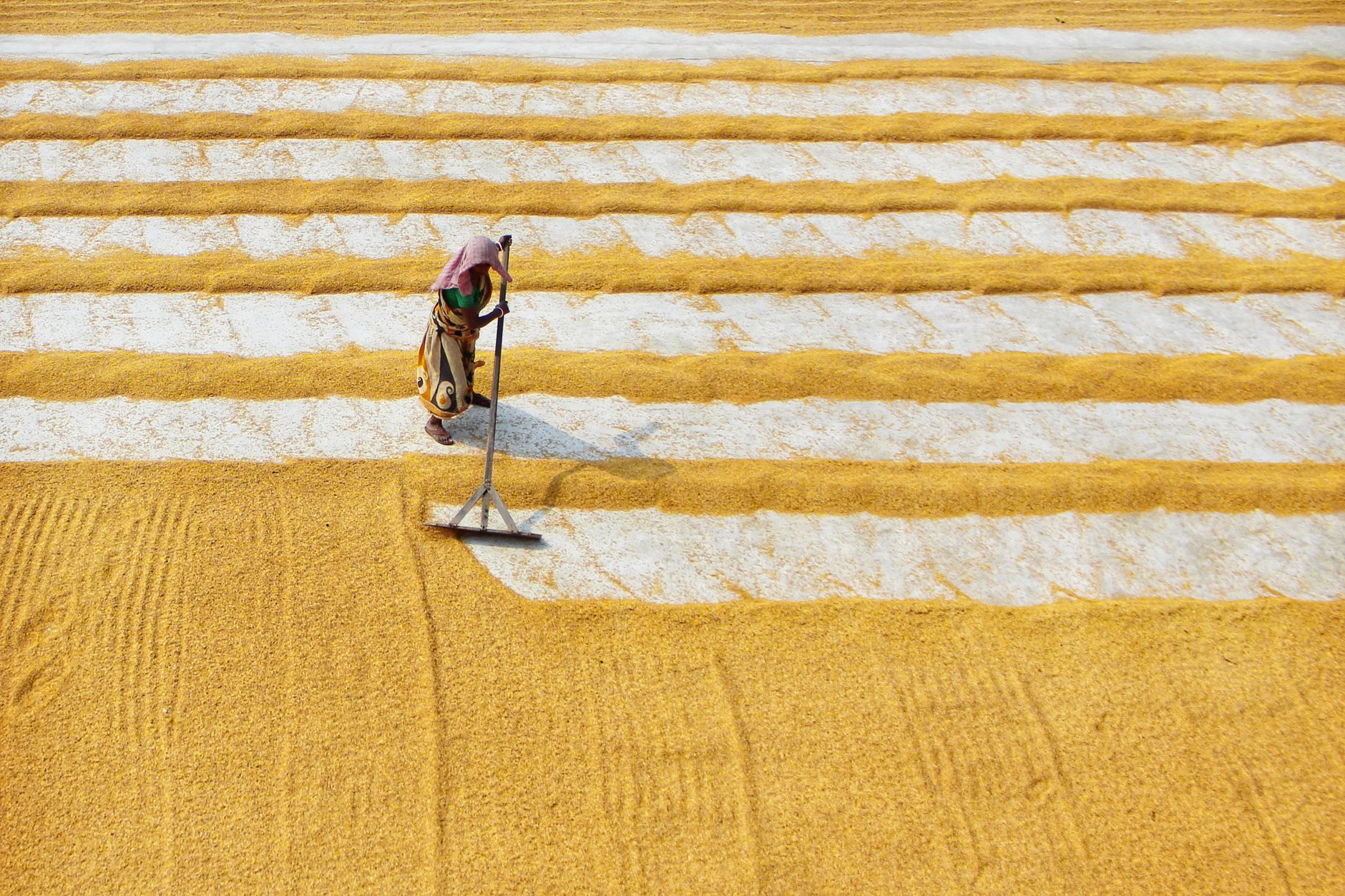
Photo by Dibakar Roy on Pexels
References
Related stories
Functional freeze-dried toppers: Best new pet food trend · Is Noida Metro Expansion the Best Move for Farmers? · Biscoff Christmas Launches: Best Festive Treats Revealed