




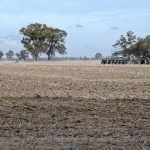


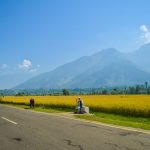


Noida Metro Expansion is set to transform the agricultural landscape by improving connectivity for farmers. This significant development promises to boost the agricultural economy and enhance market access.
Overview of Noida Metro Expansion
The Noida Metro Expansion project aims to enhance connectivity in the National Capital Region, significantly impacting local communities, including farmers. This ambitious initiative, approved by the Prime Minister’s cabinet, is part of a broader strategy to improve urban transport and reduce congestion.
With an estimated cost running into thousands of crores, the Noida Metro Expansion is expected to cover various key areas, facilitating easier access to markets and resources for agricultural workers. By connecting rural regions to urban centers, farmers can benefit from improved transportation of goods, resulting in better prices and reduced wastage.
However, the project has raised concerns among some local farmers regarding land acquisition and the potential displacement effects. As the government pushes for modernization, striking a balance between urban development and rural livelihoods becomes crucial.
In summary, while the Noida Metro Expansion holds promise for boosting local economies, it is essential to address the concerns of farmers to ensure that development is inclusive and sustainable.
Impact on Local Farmers
The recent announcement regarding the Noida Metro Expansion has sparked considerable debate among local farmers. While the project promises improved connectivity and economic growth, its implications for the agricultural community remain a concern.
Many farmers fear that the expansion will lead to:
- Land Acquisition: A significant portion of agricultural land may be acquired, impacting livelihoods.
- Increased Traffic: The influx of commuters could disrupt farming activities and reduce available space for crops.
- Environmental Changes: Construction and increased urbanization might affect local ecosystems, which are vital for farming.
Conversely, some farmers see potential benefits, such as:
- Market Access: Better transport links could enable easier access to markets for their produce.
- Job Opportunities: The expansion may create new jobs in the area, providing alternate income sources.
Ultimately, the impact of the Noida Metro Expansion on local farmers presents a complex scenario that requires careful consideration.
Government’s Fertiliser Subsidy Initiative
The Indian government has recently announced a significant fertiliser subsidy initiative, allocating a substantial budget to support farmers amid the ongoing discussions about the Noida Metro expansion. This initiative aims to alleviate the financial burden on farmers, ensuring they have access to affordable fertilisers to enhance crop yield.
Under the new subsidy scheme, the government will provide a total of Rs 62,370 crore, which is expected to boost agricultural productivity and improve the livelihoods of farmers in the region. The initiative is particularly crucial as farmers are concerned about the potential disruptions that the Noida Metro expansion may cause to their land and livelihoods.
In light of these developments, farmers are cautiously optimistic. Many believe that while the Noida Metro expansion could bring economic growth and better connectivity, the government’s commitment to supporting them through fertiliser subsidies is a necessary counterbalance to any negative impact. Stakeholders are hopeful that this dual approach will help ensure that both infrastructure development and agricultural sustainability can coexist harmoniously.
Future Prospects for Agriculture in Noida
The future prospects for agriculture in Noida are intertwined with the ongoing Noida Metro Expansion project. While the project aims to enhance urban mobility and economic growth, it raises pertinent questions about its long-term effects on the agricultural landscape.
Farmers are concerned about the potential disruption caused by the expansion, which could lead to loss of arable land and changes in local ecosystems. However, there may be opportunities for farmers to adapt and thrive in this new environment. The integration of modern transportation could facilitate easier access to markets, allowing farmers to sell their produce more efficiently.
Additionally, the government’s recent initiatives, including the fertiliser subsidy, may provide necessary support to mitigate the challenges posed by the metro expansion. Farmers who leverage these resources could find new ways to optimize their yield and profitability.
- Improved market access
- Government support through subsidies
- Potential for agricultural innovation
Ultimately, the question remains: can the Noida Metro Expansion coexist with a thriving agricultural sector?
Photo by Dev Choubey on Pexels