




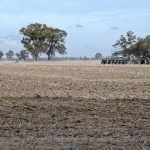


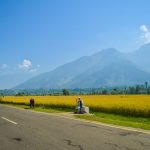

Bura Irrigation Scheme has seen remarkable growth since its inception. The expansion has increased from 5,000 acres to a potential 135,000 acres under irrigation, greatly benefiting local farmers.
Overview of Bura Irrigation Scheme
The Bura Irrigation Scheme has undergone remarkable expansion since the current administration took office in 2022. Initially covering only 5,000 acres, the scheme now has the potential to irrigate up to 135,000 acres, a significant increase that has been praised by officials and farmers alike.
According to Irrigation Principal Secretary Ephantus Kimotho, this growth is attributable to several key factors:
- Investment in Infrastructure: Enhanced water management systems and the construction of additional canals have improved water distribution.
- Community Engagement: Local farmers have been actively involved in the planning and implementation processes, ensuring that their needs are met.
- Technological Advancements: The adoption of modern irrigation techniques has led to increased efficiency and productivity.
As a result, farmers in the region are expected to see higher yields, contributing to food security and economic growth. The Bura Irrigation Scheme stands as a testament to the positive impact of strategic planning and investment in agriculture.
Impact of Expansion on Local Farmers
The expansion of the Bura Irrigation Scheme has had a profound impact on local farmers, transforming agricultural practices and boosting productivity. With the increase from 5,000 to a potential 135,000 acres under irrigation, farmers are now able to cultivate a wider variety of crops throughout the year.
This shift not only enhances food security but also improves the livelihoods of many families in the region. Local farmers report significant increases in yields, allowing them to sell surplus produce in nearby markets. The financial benefits are evident, as many have been able to invest in better farming equipment and practices.
Moreover, the irrigation scheme has facilitated the introduction of modern farming techniques, which have been essential in maximizing land productivity. Farmers have also benefited from training programs and resources provided by the government to ensure they can effectively utilize the newly available water resources.
Overall, the expansion of the Bura Irrigation Scheme is proving to be a game-changer for local agriculture, fostering economic growth and sustainability in the region.
Challenges Faced in Irrigation Development
The Bura Irrigation Scheme has faced numerous challenges despite its significant expansion. Many farmers have expressed concerns regarding the sustainability of the water supply, which is essential for maintaining productivity across the newly irrigated areas. The increased demand on local water resources has raised questions about long-term viability.
Additionally, infrastructure development has not kept pace with the rapid expansion. Issues such as inadequate drainage systems and roads for transporting produce have hindered the efficiency of farming operations. Farmers have reported difficulties in accessing markets due to poor transportation networks, which can lead to losses in revenue.
Another challenge is the training and support needed for farmers to adapt to the new technologies and practices associated with the Bura Irrigation Scheme. Many lack the necessary skills to optimize their yields effectively, which can diminish the potential benefits of the irrigation expansion.
- Sustainability of water supply
- Inadequate infrastructure development
- Need for farmer training and support
Future Prospects for Bura Irrigation Scheme
As the Bura Irrigation Scheme continues to evolve, its future prospects appear promising for local farmers and the agricultural sector at large. With the recent expansion highlighted by Irrigation Principal Secretary Ephantus Kimotho, the potential for the scheme to cover up to 135,000 acres presents significant opportunities for increased crop production and food security.
Farmers are optimistic about the benefits that this growth will bring, particularly in diversifying crops and improving yields. The ability to irrigate a larger area means that farmers can cultivate more land, which is essential in a region where climate variability poses challenges to traditional farming practices.
In addition to expanding the irrigated area, there is potential for investment in modern agricultural technologies and sustainable practices. These advancements could enhance the efficiency of water usage and increase overall productivity.
Key stakeholders are encouraged to collaborate closely to address any remaining challenges and ensure that the Bura Irrigation Scheme realizes its full potential, benefiting both farmers and the broader economy.