




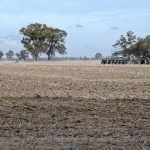





Rabi subsidy decisions are crucial for the agriculture sector, as they provide necessary financial support to farmers. The cabinet has approved significant measures to enhance agricultural productivity.
Overview of Recent Cabinet Decisions
The recent cabinet meeting has resulted in significant decisions that are expected to positively impact the agricultural sector. Among these, the approval of a substantial Rs 62,370 crore rabi subsidy stands out, aiming to bolster the income of farmers and enhance productivity during the upcoming rabi season.
This rabi subsidy decision is part of a broader initiative to support farmers and ensure food security in the country. The government has recognized the challenges faced by farmers, especially in light of fluctuating market conditions and climate uncertainties. By providing financial assistance through this subsidy, the cabinet aims to alleviate some of the economic pressures on the agricultural community.
In addition to the rabi subsidy, the cabinet has also cleared several other significant measures, including:
- Extension of the Aqua Line to improve transportation and logistics.
- Investments in infrastructure to support agricultural development.
- Enhanced support for small and marginal farmers.
- Measures to ensure timely disbursement of the subsidy funds.
These decisions reflect the government’s commitment to fostering a sustainable agricultural sector and ensuring that farmers receive the necessary support to thrive. As the rabi season approaches, the implications of these subsidy decisions are expected to be felt across rural communities, leading to improved agricultural outcomes.
Impact of Rabi Subsidy on Farmers
The recent Rabi subsidy decisions made by the Cabinet are poised to have a significant impact on farmers across the country. With a substantial allocation of Rs 62,370 crore, this financial support aims to enhance agricultural productivity and ensure food security.
Farmers can expect several key benefits from these subsidy decisions:
- Increased Crop Yields: The financial assistance will enable farmers to invest in better seeds, fertilizers, and modern farming techniques, leading to higher crop yields.
- Reduced Financial Burden: By subsidizing essential inputs, the government is easing the financial strain on farmers, helping them manage their expenses more effectively.
- Enhanced Food Security: With improved agricultural output, the subsidy will contribute to national food security, ensuring that there is enough supply to meet the demands of the population.
- Incentives for Sustainable Practices: The subsidy decisions also encourage farmers to adopt sustainable agricultural practices, which can lead to long-term benefits for both the environment and their livelihoods.
In conclusion, the Rabi subsidy decisions are a crucial step towards supporting farmers and promoting a more resilient agricultural sector. The anticipated benefits will not only improve their economic situation but also contribute to the overall growth of the agricultural landscape in the country.
Details on Aqua Line Extension
The recent cabinet decisions have brought significant developments regarding the extension of the Aqua Line, which is expected to enhance agricultural logistics and improve overall efficiency for farmers. This extension aligns with the government’s commitment to support the agricultural sector, particularly in the context of the rabi subsidy decisions.
As part of the Aqua Line extension, the government aims to provide better connectivity between major agricultural hubs and markets. This initiative will not only facilitate faster transportation of goods but also reduce logistical costs for farmers, allowing them to receive better prices for their produce.
Key details about the Aqua Line extension include:
- Increased Accessibility: The extended route will connect remote farming areas with urban markets, enhancing farmers’ access to essential resources.
- Time Efficiency: The new infrastructure is expected to significantly reduce travel time, ensuring that agricultural products reach their destinations swiftly.
- Economic Growth: Improved logistics are anticipated to spur economic growth in rural areas, creating new job opportunities and boosting local economies.
- Environmental Considerations: The project emphasizes sustainable practices, integrating eco-friendly transportation options to minimize carbon footprints.
Overall, the Aqua Line extension is poised to deliver clear benefits to farmers, complementing the recent rabi subsidy decisions aimed at enhancing agricultural productivity and sustainability.
Future of Agricultural Support Programs
The future of agricultural support programs appears promising, particularly in light of the recent Rabi subsidy decisions made by the Cabinet. These decisions are expected to provide substantial financial assistance to farmers, facilitating growth and stability in the agricultural sector.
Farmers will benefit from a range of initiatives aimed at enhancing productivity and sustainability. The Rabi subsidy decisions are a vital part of this strategy, aimed at ensuring that farmers receive adequate support during the critical Rabi season. This assistance not only helps to stabilize income for farmers but also encourages increased investment in agricultural practices.
- Financial Stability: The Rabi subsidy is expected to provide a much-needed financial cushion for farmers, allowing them to invest in better quality seeds and fertilizers.
- Increased Crop Yield: With additional financial support, farmers can adopt modern farming techniques that enhance yield and quality.
- Long-term Sustainability: These decisions aim to build resilience in the agricultural sector, making it less vulnerable to market fluctuations and climate change.
Moreover, the emphasis on agricultural support programs reflects a broader commitment by the government to prioritize food security and rural development. As these initiatives unfold, their effectiveness will be closely monitored to ensure they meet the needs of farmers across the country.
The recent rabi subsidy decisions have been praised for their potential to enhance crop yields and improve farmers’ livelihoods. By providing timely financial support, these rabi subsidy decisions aim to empower farmers in their agricultural endeavors.
Photo by Dibakar Roy on Pexels
Where this came from
Fertiliser subsidy approval: Is it the best move for farmers? · Fertiliser subsidy Rabi 2026-27: A Smart Investment for Farmers · DSM-Firmenich stock: Best Proven Strategies for Investors